Stucco Contractor in Apple Valley, UT: Repair, Coatings & New Wall Systems | St. George Elite Stucco
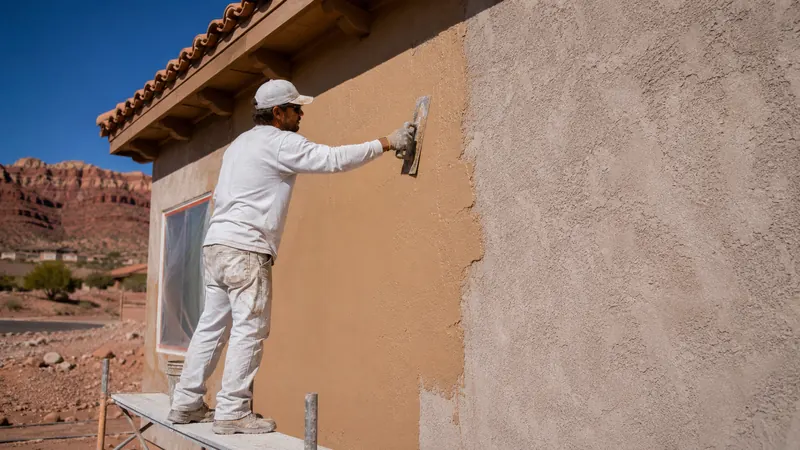
St. George Elite Stucco has worked as a stucco contractor on homes and commercial buildings in Apple Valley, Utah for 15 years. If your wall has failed, we repair the damaged area. We replace material that has gone past repairing, or we remediate the assembly after water has entered behind the finish. When the wall is sound but the exterior looks tired, we handle resurfacing and recoating. We also paint and coat the same wall with new color, including fog coats and acrylic finishes. For new construction, we install stucco on houses and additions. We stucco block walls, do interior plaster, build decorative detail, and set stone veneer.
Apple Valley sits at an elevation of 4,961 feet, about 2,400 feet above St. George and roughly twelve miles east of Hurricane on State Route 59. That higher elevation can mean different temperatures, wind, and working conditions than you see on the valley floor, so we base our stucco work on the conditions at your property rather than relying only on a St. George forecast.
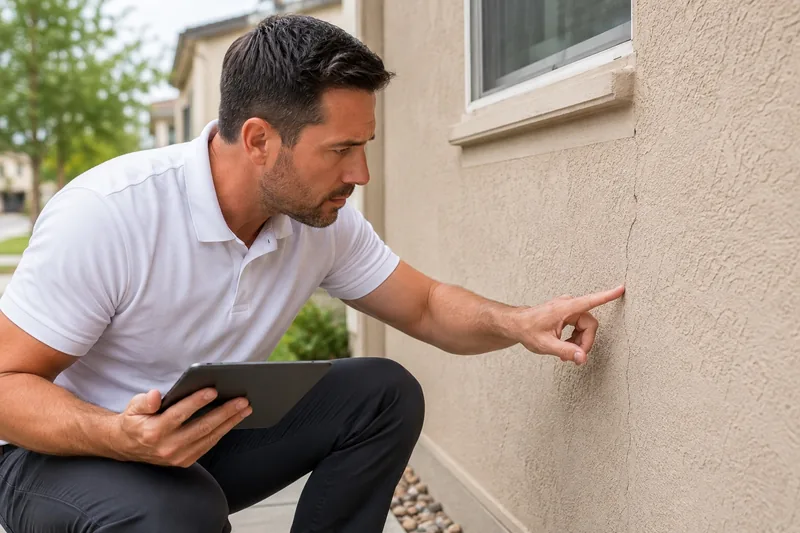
We also cover the whole of Washington County, which the energy code puts in climate zone 3B. We begin our residential stucco work and our commercial stucco services by looking at your wall. We explain what it needs before quoting a number. Call (435) 236-2699 or use our online form to request a free consultation and quote. The visit is free and our estimate comes to you in writing.
Why Apple Valley Owners Choose St. George Elite Stucco
Your estimate will identify whether you have a one-coat stucco system, a traditional three-coat system, or EIFS with drainage, which is an exterior insulation and finish system. The type of system matters because each one is built differently and requires a different repair method, which also affects the cost.
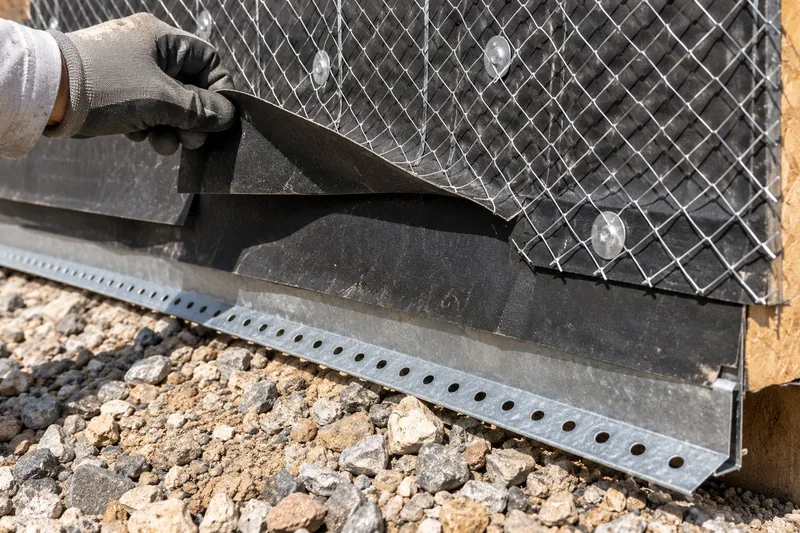
We follow ASTM C1063, the standard for installing metal lath and the accessories that go with it, and inspect the drainage plane to prevent failures that may appear later.
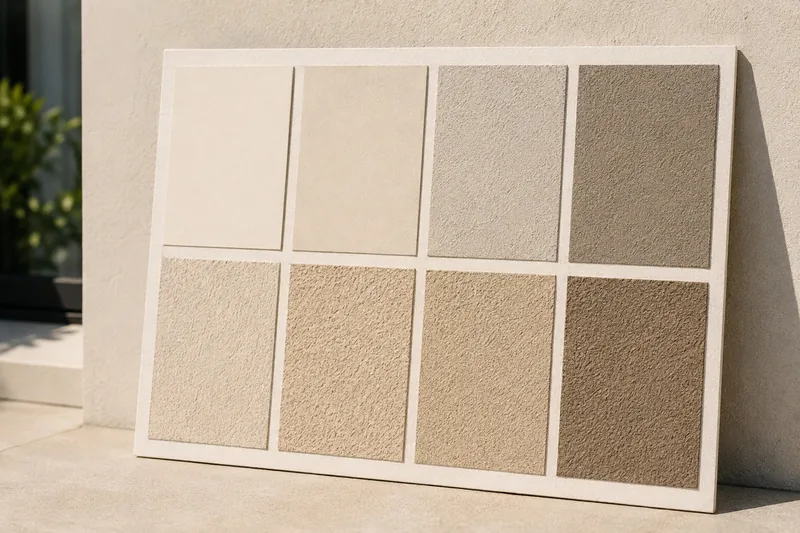
We judge the new color and texture on a sample panel held against your weathered wall in daylight before committing the finish to the house.
We measure and photograph every building elevation, meaning each side of the building, so you can compare the written scope with pictures of your walls.
You are hiring a licensed stucco contractor, and you do not have to take that on trust. Before working on your wall, you can verify our license and insurance coverage. We carry general liability and workers' compensation.
Licensed & Insured | 15 Years of Experience | Free Written Estimates | Residential & Commercial
Call (435) 236-2699 or use our quote form to schedule a free on-site estimate in Apple Valley. We also serve nearby communities along the State Route 59 corridor, including Hurricane and La Verkin.
In Apple Valley, we offer the same stucco services that we provide down in the valley. The higher elevation affects when we can do the work, while the service list stays the same. We scope each job for a wall that sits well above St. George, including the preparation and working conditions that location requires.
Stucco Repair
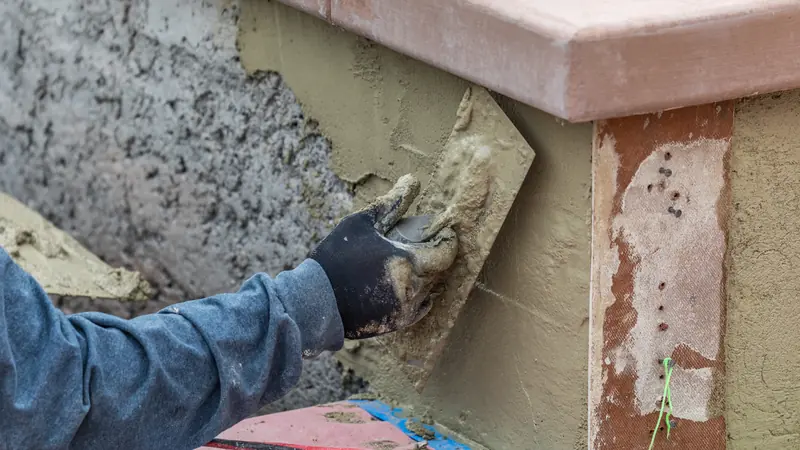
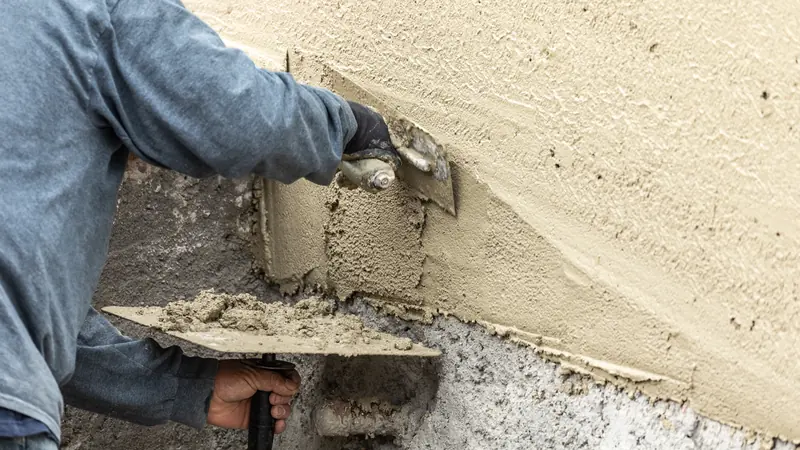
Most repairs here involve one damaged area on one side of your building. Filling a crack, chip, or impact mark is straightforward. Matching the surrounding color and texture is the more challenging part that we have mastered through years of experience.
To match an existing finish, we make a sample board using the same sand grade and similar float or trowel technique as the original wall. The amount of pressure and movement used with the tool affects how the texture looks, so we try to reproduce that as closely as possible. We then hold the sample against the weathered wall before applying anything to your house. The final comparison is made at the wall because sunlight can change how both color and texture appear. A phone photo cannot show the finish under the actual lighting conditions on your property.
Stucco Painting & Coatings
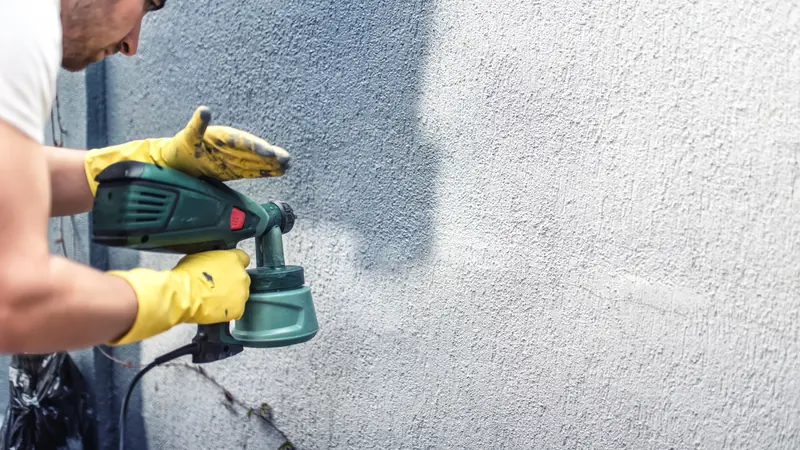
New paint or coating will show problems in the surface beneath it. Chip-sealed and dirt roads around Apple Valley can leave fine dust on exterior walls, so we wash your wall and let it dry properly before applying the new finish. We also prime bare areas and older patches. Without that preparation, repaired spots can absorb the coating differently and look lighter, darker, shinier, or duller than the surrounding wall.
Where sun, wind, and weather are harder on the finish, we can use an elastomeric coating, a thicker flexible coating that protects the wall better than ordinary exterior paint.
Stucco for Block Walls
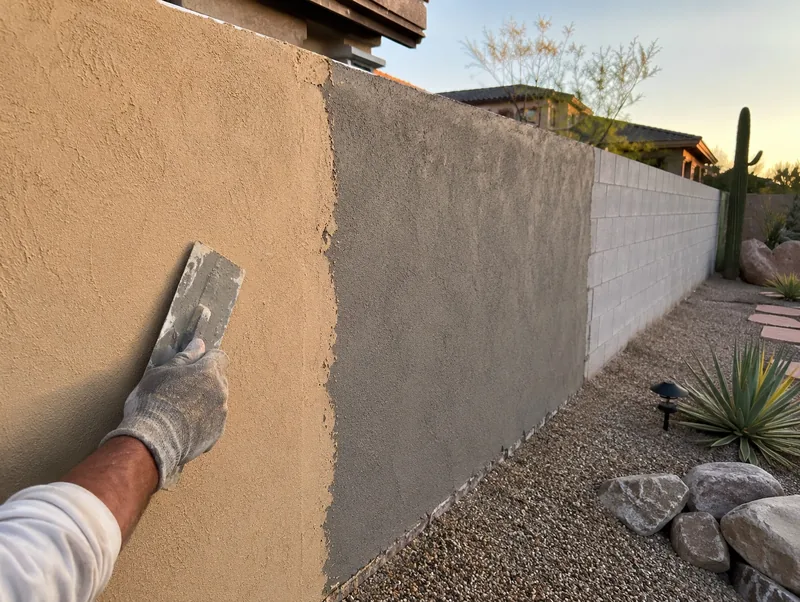
We stucco block walls continuously to a natural stopping point, such as a corner or joint, rather than ending partway across an open section of wall. Before work begins, we plan how much wall the crew can complete that day so the finish stops cleanly at a joint instead of leaving a visible break across the face of the wall.
Stopping in the middle of a wall can create a cold joint, which is the visible seam where fresh plaster meets material that has already begun to set. That line may become more noticeable as the concrete masonry unit wall and stucco dry, and a finish coat usually will not hide it. By planning the stopping point at a corner, joint, or other natural break, we help keep that seam from showing across the finished wall.
Commercial Stucco
For your commercial building, we scope the full job for one mobilization, meaning we bring the crew, materials, and equipment out for one planned stretch of work. Splitting the project across several weeks would require inefficient return trips of partial days.
During the estimate, we go over access and staging with you or your property manager, including where materials, equipment, and any necessary lifts can be placed. We also plan the order in which each side of the building will be completed so the work can move efficiently from one elevation to the next. If a lift is needed, we confirm that it can reach the work area before the crew is scheduled rather than discovering an access problem on the first day.
Stucco Replacement & Removal
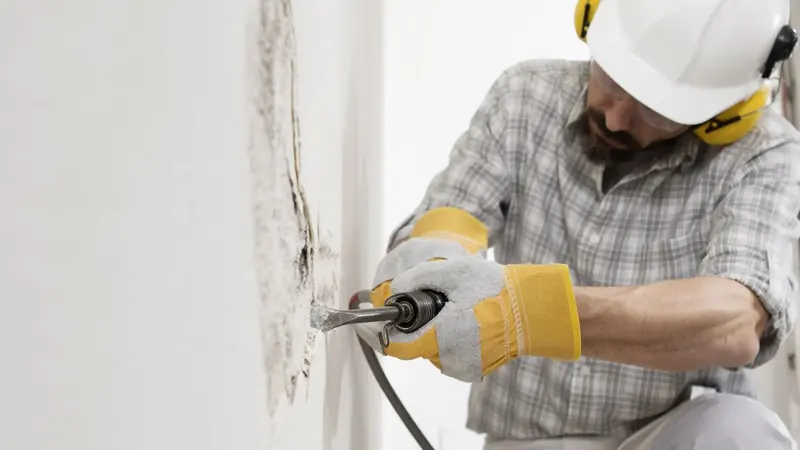
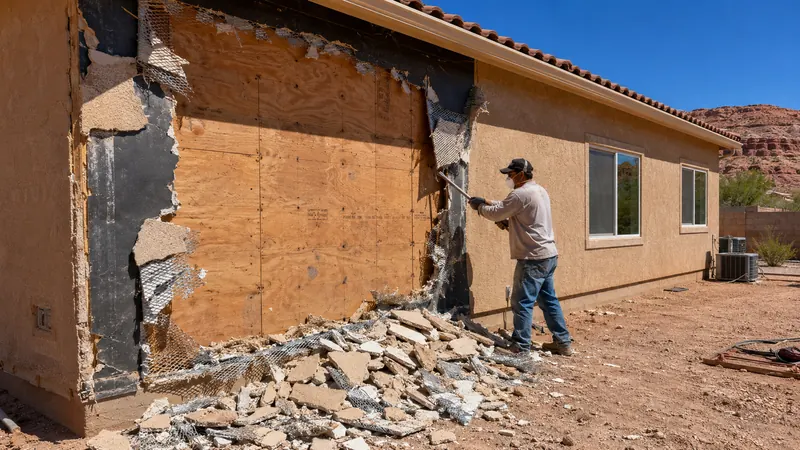
Removing stucco down to the sheathing, the panels that form the wall’s outer structure, exposes the entire assembly at once. Hidden damage rarely matches anyone’s prediction, so we plan the removal and the new covering as one continuous run of work. Your wall will not sit open while everyone waits for another trip.
Before making corrections, we photograph everything we find behind the old finish. Once that work is complete, we reinstall the water-resistive barrier, the protective layer that keeps water from reaching the sheathing, and cover the wall again. The photographs let you see exactly what you paid to have corrected.
Stucco Remediation
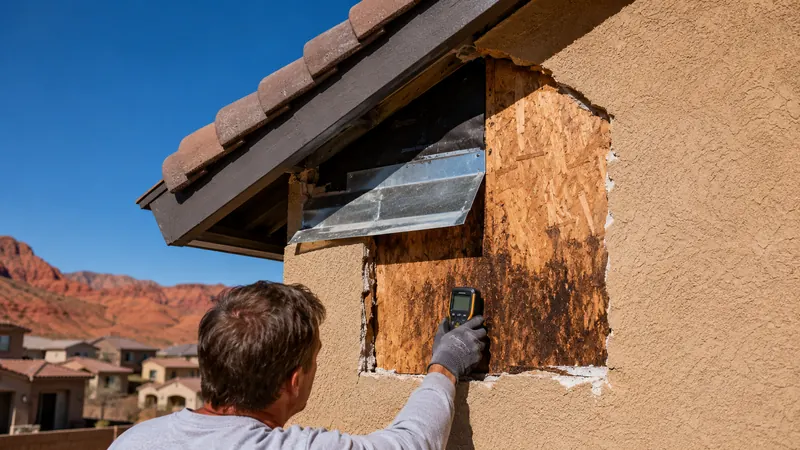
Remediation starts with narrowing down where water is entering your wall. Efflorescence helps point us toward the source. A hose bib spraying against the wall or a stain that returns beside an intact patch provides another clue. Each sign helps us decide where to investigate before removing anything.
We open the smallest area that can answer the question and inspect what is behind the finish. What we find then determines how much of the water-resistive barrier needs replacement, helping us avoid removing sound stucco without a reason.
Plastering Services
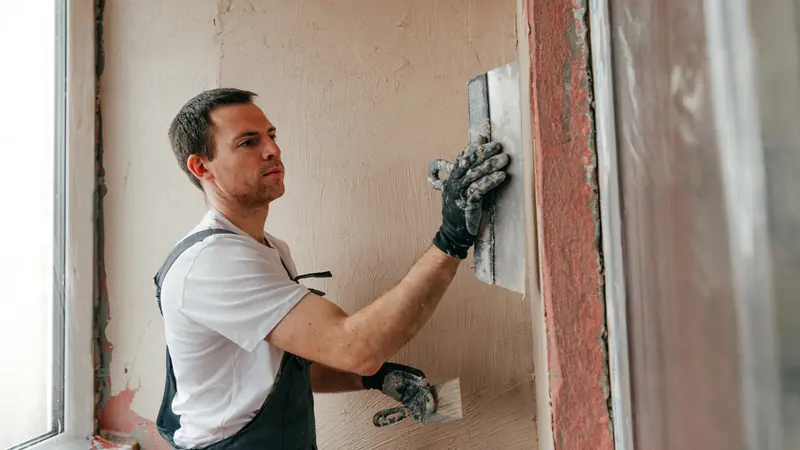
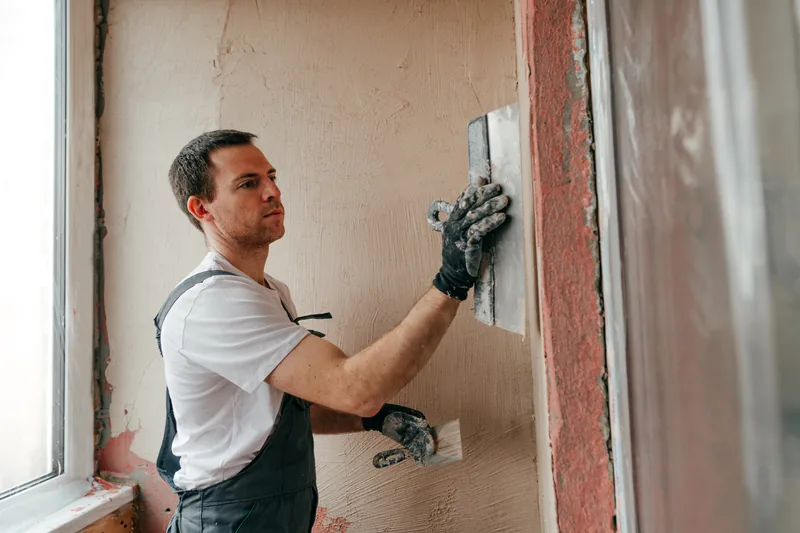
We also handle the interior plaster, and it makes sense to include that work on the same estimate as your exterior project. Gypsum plaster and skim coats, which create a thin smooth surface over wallboard, cover most newer interiors. Older homes may have full-thickness plaster, and we repair that material instead of replacing it unnecessarily.
We bring the interior and exterior materials on the same load. If you add the interior work after the exterior materials have already been planned, the added trip and load create the extra cost, rather than the plaster work itself.
Stucco Installation
Before ordering materials, we inspect what will hold the lath, the metal mesh that supports the stucco coats. A site-framed wall, a modular wall, and a manufactured home each require a different attachment approach. We need to confirm the wall construction at your property because that question cannot be answered accurately from the street.
The code also requires a moist-curing interval between coats, giving each coat time to cure before we apply the next one. That requirement makes a new stucco wall a multi-visit job by its nature. We account for those visits in your estimate up front, so you are not first learning about them in week two.
Stucco Resurfacing & Recoating
We apply a small sample area first to determine what your worn wall actually needs. If only the color has faded or lost depth, we restore it with a fog coat, a thin cement-based coating that refreshes the color. If the texture has worn away, we apply a new finish coat, the outer layer that gives stucco its visible texture, because tint alone will not replace missing material.
If the surface itself is crumbling or breaking apart, we re-skin the wall by building a new reinforced surface over the existing stucco. We would rather identify that need during your estimate than recommend a smaller treatment and change the answer halfway through the job.
New Construction Stucco
We schedule stucco after your builder completes and inspects the framing, roofing, windows, and flashing that directs water from openings. Before loading the crew and materials, we need a firm date based on the house’s progress. At this distance, arriving before the house is ready costs a full working day rather than a morning.
We confirm the stucco system before arriving. Your builder may specify an engineered one-coat base, which builds up in a single reinforced base coat under the finish, or a traditional three-coat build formed in three successive coats. We plan around natural stopping points so fresh material does not meet a cured edge mid-wall and leave an unintended cold joint.
Decorative Stucco & Architectural Details
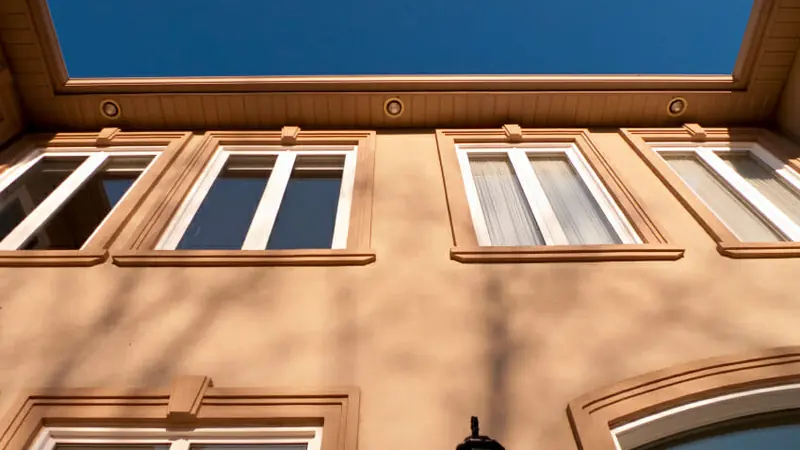
We cannot rush shaped stucco details, and their required setting time matters even more here than it does closer to town. We cut each expanded polystyrene shape, a lightweight foam form used to build raised details, from a template. We then bring the base coat to a straight screed line, reinforce the shape, and apply the finish.
Each decorative band, window or door surround, and quoin, the raised blocks that accent a building corner, acts as its own small assembly. When your elevation includes several of these details, we schedule multiple passes so each section can set properly before the next step. We include those passes when quoting the work rather than treating the elevation as one application.
Stone Veneer
Before setting stone permanently, we mark a level line and dry-fit a section without mortar. You can then see where the courses, the horizontal rows of stone, will run and where the end pieces will land. This layout stage gives you a chance to request changes before the stone is bonded to the wall.
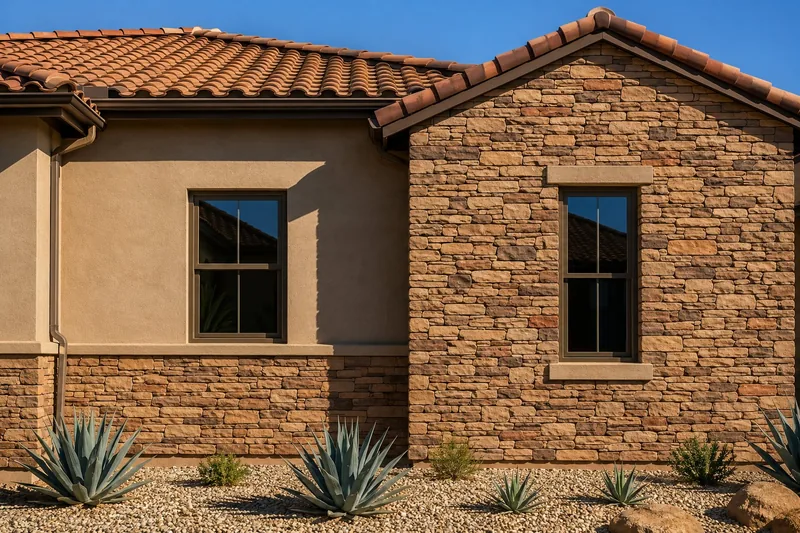
Behind adhered stone veneer, which is stone bonded to the wall with mortar, we install the water-resistive barrier and lath as we would behind exterior plaster. The barrier keeps water from reaching the wall structure, while the metal lath supports the mortar and stone. Your stone veneer therefore relies on the same protected wall assembly used beneath stucco.
What a Stucco Contractor Does at Apple Valley's Elevation
At 4,961 feet, the town is well above our shop at 2,530 feet. As your exterior stucco contractor, we account for that difference of about 2,400 feet.
What We Check on Your Wall Before Mixing Anything
We check your wall at the property. We feel whether the surface still holds the afternoon's heat, check whether the substrate, the solid surface beneath the stucco, has dried since it was last wet, and judge whether enough daylight remains for the finish coat to set. Those three observations determine where the crew begins. We publish no fixed threshold because there is no local record from which to establish one.
Keeping the Base Coat Moist for the Code-Required Interval
Cement plaster gains strength by reacting with water, not simply by drying. If a coat loses its moisture too soon, it cannot reach its specified strength. The residential code accounts for that curing process: it requires each coat to be kept moist for at least 48 hours before the next goes on, and on a three-coat wall, it requires seven days between the second coat and the finish.
Those intervals begin when we apply the material to your Apple Valley wall, not according to a calendar back in St. George. The scaffold therefore stays on that elevation, meaning that side of the building, for the required interval instead of moving ahead with the crew. Your estimate also states how many visits the wall will require.
About Apple Valley, Utah
Apple Valley covers about 33 square miles across the Little and Big Plains at 4,961 feet. You reach town from State Route 59 east of Hurricane. The 2020 census counted 855 residents throughout that area. Apple Valley is Washington County’s newest town. Property owners in the Apple Valley Ranch and Gooseberry subdivisions joined Canaan Gap residents in petitioning for incorporation, which the state approved in October 2004. The town held its first meeting at the fire station on Meadowlark Drive.
That fire station remains a central Apple Valley landmark. The town office is on North Meadowlark Drive, and the town later added its park and pavilion. In 2016, the Gateway project rebuilt the bridge leading into the main populated area. It also added a shelter for two hundred mailboxes and a lighted town sign. If you are giving a local stucco contractor directions to your wall, that gateway is the turn to mention.
Where We Work Around Apple Valley
Apple Valley does not have a downtown street grid or commercial core for us to navigate by. Instead, named subdivisions are spread across the town’s 33 square miles, and knowing which one you live in helps us understand how far apart the properties are and how we will reach your wall.
Resurfacing and Recoating Apple Valley Ranch Homes
Contractor Ted Gubler created Apple Valley Ranch with Gooseberry in 1986. Together, they included more than three hundred lots served by a private water company he built for the subdivisions. Some of the town’s oldest exteriors are here, and many were finished around the same period. Because those finishes have aged under similar conditions, we usually inspect an entire elevation, or one full side of your house, rather than treating scattered spots as unrelated problems.
Gooseberry: Patching One Area Where the Lots Run Large
Gooseberry was platted alongside Apple Valley Ranch in 1986. In 2015, the town’s water and sewer district replaced the entire system serving both subdivisions, adding shutoff valves, hydrants, and meters with customer shutoffs, which are valves at the meter that let the water be turned off at the property. That affects even a small stucco patch because we need water where we mix and apply the material, along with a reliable way to stop the supply. Before mixing the first bucket, we confirm where your meter and shutoff are located.
Building Cedar Point Walls From the Lath Up
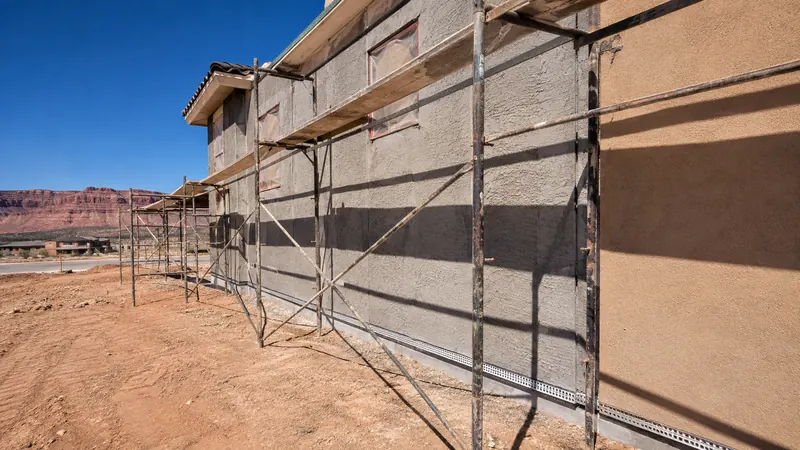
Cedar Point Mutual, the subdivision’s own company, supplied water here until the town’s water and sewer district took over the infrastructure in 2011. When we build a new wall, the work begins beneath the finish you will eventually see. We first install the water-resistive barrier. Next come the metal lath, the mesh that holds the plaster, and accessories such as casing bead, which forms a clean finished edge. We mix the first coat only after those layers pass inspection.
Painting and Coating South Zion Estates Homes
South Zion Estates was started in 2002, just north of Canaan Mountain Estates across Highway 59. Before we paint or coat a wall built in the 2000s, we check whether the existing coating still grips the stucco. If it has begun separating, another coating will not correct the problem. The older layer will release underneath the new one, leaving you to pay for material that cannot stay attached.
Installing Adhered Stone in Canaan Mountain Estates
Canaan Mountain Estates was created in 1995, northeast of Hildale. Nine years later, owners from the Canaan Gap area joined the group that petitioned to incorporate Apple Valley. We complete most of our adhered stone work at this end of town, which also takes the longest to reach from St. George. While we are on your lot, we agree on the complete stone layout, including the colors and coursing, or the pattern and arrangement of the stone rows.
Why We Plan Your Apple Valley Project as a Full Day
Reaching Apple Valley means traveling twelve miles on State Route 59 from Hurricane, after first driving from our shop to Hurricane. We do not schedule your project as a quick stop between other jobs. We set aside the day, and we make that scheduling decision during the estimate rather than waiting until the crew arrives.
What Gets Decided Before We Leave St. George
We use the estimate to answer the practical questions that could otherwise require another trip. During the visit, we take measurements, photograph every elevation, meaning each side of your house, and identify the wall system in place. We also work out lift access on the ground, including where the equipment can travel and stand safely, instead of assuming there will be enough room once we arrive.
We agree with you on where we will get the water needed for mixing and curing, the period when the material sets and hardens. Curing uses a meaningful amount of water, so we do not simply assume an outdoor tap will be available. We bring the materials and accessories with the crew and load for the complete job rather than counting on a trip back to the shop.
Apple Valley properties are widely separated, and few of them sit on the same street. The state history record describes Apple Valley as a bedroom community for Hurricane and St. George. For your project, that often means we need to settle important decisions before you leave for work.
If you commute, we may be working on your wall while you are away, with any later questions handled by phone that evening instead of beside the house at ten in the morning. We therefore confirm the scope, color, and access during the estimate. The elevation photographs give us both a clear reference for later conversations. You do not need to be home while we work, but we do need access arranged before the day begins.
Apple Valley Town Approvals and Washington County's Part
Apple Valley has operated as a town since 2004, which means it runs its own building department. That can be confusing because your mailing address may say Hurricane. The town and county do not share a permit application, so you need to confirm which authority covers your property before planning the work.
The Town Inspects Work Inside Its Own Limits
Apple Valley’s building department inspects all new construction and remodeling within the town limits. Its responsibilities include ADA, building, electrical, fire, mechanical, and plumbing requirements. You submit permit applications through the town’s online system at applevalleyut.gov/building.
For your stucco job, the town, rather than our company, decides whether you need a building permit. A fog coat, which refreshes the color with a cement-based coating, is different from a full re-stucco or a tear-off that exposes the sheathing, the panels beneath the exterior. We cannot decide how the town will classify your project. We ask before scheduling the work so you are not waiting for an answer after the crew has already been booked.
Why the Mailing Address Is Not the Jurisdiction
Apple Valley has never had its own ZIP code, so local mail uses Hurricane’s 84737. According to the town’s record, Apple Valley does not have enough mail delivery points to qualify for its own ZIP code. In 2008, the town re-gridded every address to create numbering independent of Hurricane City, centering the new grid near State Street and Main Street. Outside town limits, Washington County’s Community Development department handles permits and inspections at washco.utah.gov/departments/community-development. Each authority runs its own permit intake. Your first practical step is confirming which side of the boundary your property occupies, and that takes one call.
Stucco Questions From Apple Valley Homeowners
Here are six questions homeowners often ask before scheduling work on their property.
Does the elevation up here change what you can put on my wall?
No. We use the same materials here that we use in the valley, but we may adjust when we apply them. The finish coat, the thin outer layer that gives your wall its color and texture, sets quickly and is especially sensitive to conditions. On a marginal day, we would rather leave the brown coat, the level base beneath the finish, exposed overnight than rush the final coat and leave you with uneven color.
Can the whole job be done in one visit?
Usually not, because your wall needs time between steps. We first visit to prepare the estimate, then return for the work. With a three-coat stucco system, the second coat must sit for seven days before we apply the finish. Distance cannot shorten that interval, so we include the necessary visits in your written scope instead of surprising you with another trip in week two.
Do I need a permit from the town, or does the county handle it?
That depends on which side of the town boundary your property occupies. Apple Valley has its own building department for work within town limits, while Washington County oversees work on the surrounding unincorporated land. We do not decide that for you. We ask before scheduling, then record what the town or county tells us in the written scope you keep.
The lots out here are wide open. Does that affect the finish?
Yes, especially while we are applying it. Windblown grit can become embedded in a wet finish, while grit that reaches your wall after the material has cured is much less likely to damage it. We screen the wall area while working and stop if conditions turn bad rather than pressing ahead. We also plan that stopping point at a joint so the break does not fall across an open section of wall.
We get our water from the district. Is that what causes the white bloom on the wall?
Almost certainly not. The white bloom you see is efflorescence, a deposit of soluble salt that was already in the wall or the ground. Moisture moving through the wall carries that salt to the surface, while water from your tap is not the usual source. Because the bloom marks where moisture leaves the wall, we look for where the water is getting in.
Is Apple Valley too far out for you to come?
No. Apple Valley is one of the nineteen communities we cover from our St. George base. We group it with work near Hurricane, La Verkin, and Virgin because those communities sit on the same side of the county. When you call, give us your property address so we can place your visit on the right run.
Get a Free Stucco Estimate in Apple Valley
St. George Elite Stucco gives you a clear scope, a description that identifies your wall system and spells out the work it needs. A stucco contractor owes you that explanation before anyone touches your wall, rather than handing you a price by itself. You receive the estimate in writing, and the visit is free. Call (435) 236-2699 or request a free estimate through our quote form.