Stucco Contractor in Santa Clara, UT: Repair, Coatings & Color Matching | St. George Elite Stucco
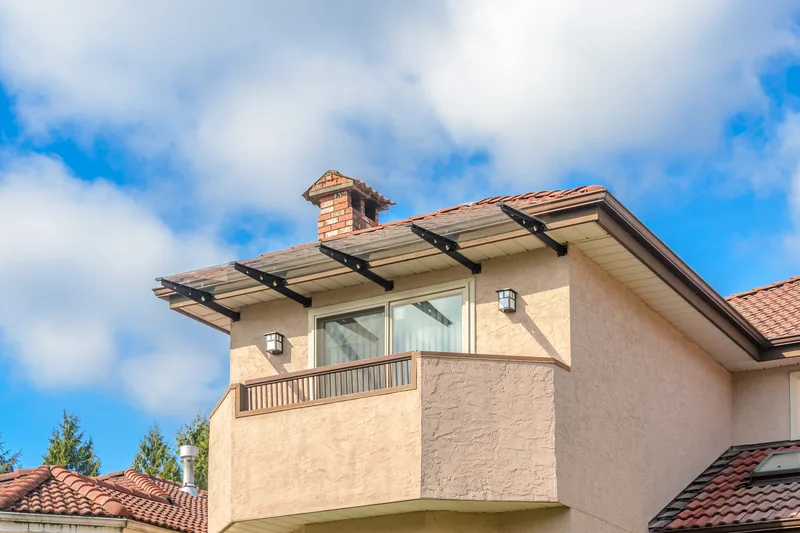
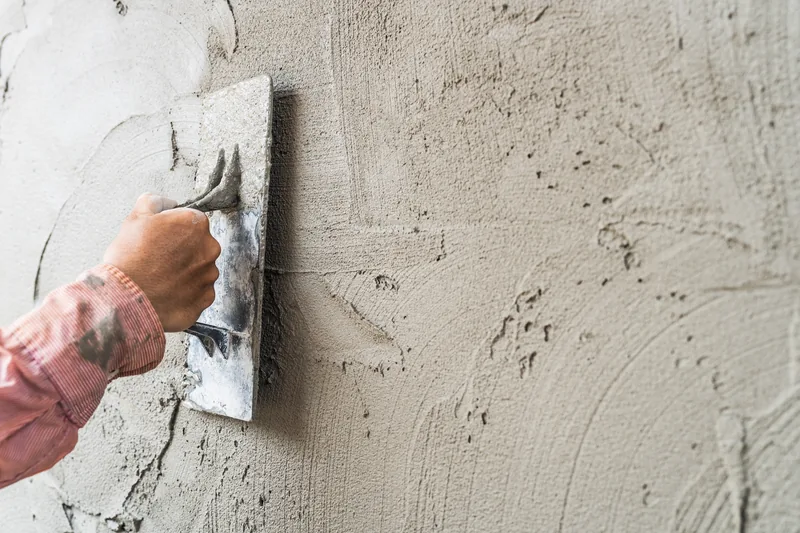
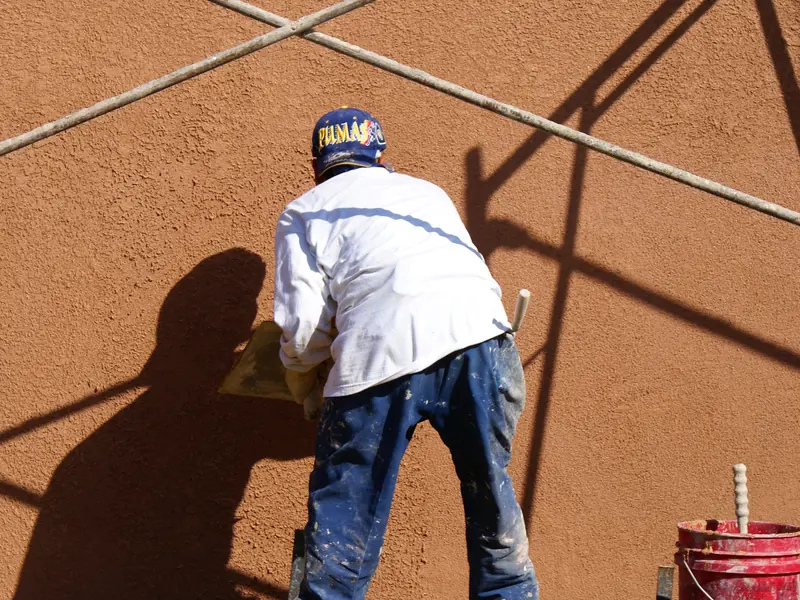
St. George Elite Stucco has done residential and commercial stucco work in Santa Clara, Utah for 15 years. Where the damage is one corner, a crack, a chip or an impact mark, we repair that area. When damage extends across a whole elevation, meaning one exterior face of the building, we assess the larger surface. Visible failure can point to a problem behind the finish, and we address that underlying problem as part of remediation. We strip the wall back and replace it if the existing stucco cannot remain.
When scattered patches would leave your wall uneven, you may need resurfacing or recoating across the full face. We can also match an existing color or give the wall a new one with paint or a coating. We work over portland cement plaster, the traditional cement-based stucco finish, and acrylic finishes that arrive premixed.
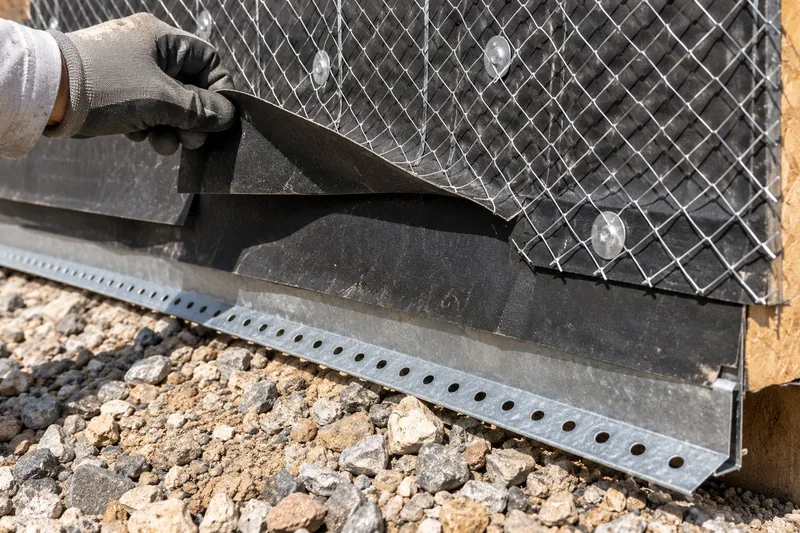
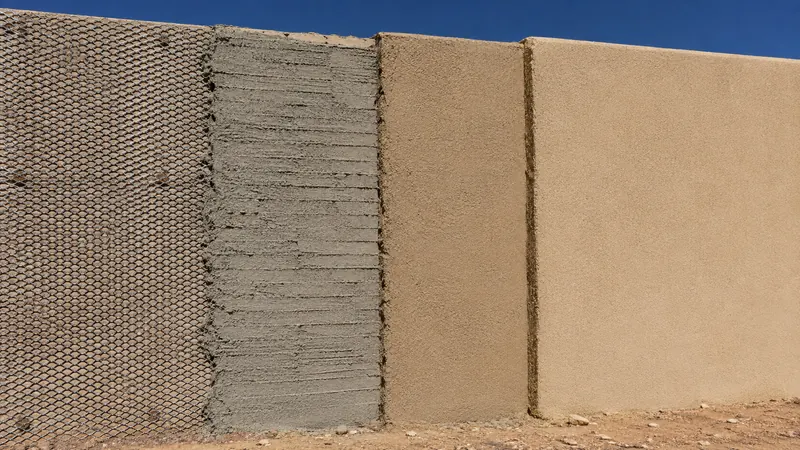
For new construction, we start with lath, the metal mesh that supports every coat of stucco above it, and build the wall finish from there. We follow the same requirements on commercial projects. Our stucco services also include applying stucco to block walls, doing interior plaster, forming decorative details, and installing stone veneer.
Santa Clara is a six-square-mile city with two very different groups of walls. Its small Historic District follows Santa Clara Drive, where the city reviews exterior work before it begins. Most homes lie beyond the district. We work on both, but your wall and address determine what the project requires. On framed homes, exterior plaster must comply with IRC R703.7, which governs exterior plaster and how it is applied.
We work in Santa Clara and throughout the rest of Washington County from our shop in St. George. If you have put off dealing with a wall because you do not know what is behind it, that uncertainty is a common starting point here. We inspect what is actually on your wall and put our findings in writing before opening a bag of material. Call (435) 236-2699 or use our quote form for a free written estimate.
Why Santa Clara Homeowners Choose St. George Elite Stucco
A Santa Clara project often takes more preparation before our crew arrives than most of our work. We handle that part carefully because it settles the written scope, meaning exactly what the job includes, before we start on your wall.
We diagnose the cause first, then prepare a scope of work, the document that states exactly what the job includes, and price the correction your wall needs.
Before touching your wall, we match texture and color on our own sample panel. Inside the Historic District, the city's own guidelines say it may ask to see samples of its own before approving a color.
You are hiring a licensed stucco contractor. We are licensed and insured. Before we work on your wall, you can verify our license and insurance coverage. We carry general liability and workers' compensation. Certificates are available before work starts, and our license number goes on every written estimate.
We compare cement, acrylic and mineral finishes, the last of which is cement-based and lets a wall dry outward, then rule out whatever your older wall cannot take.
We set lath and its accessories before the first coat, while your estimate names the wall system and price.
With 15 years on county homes and businesses, we provide free written estimates for comparing each stucco company's scope and price.
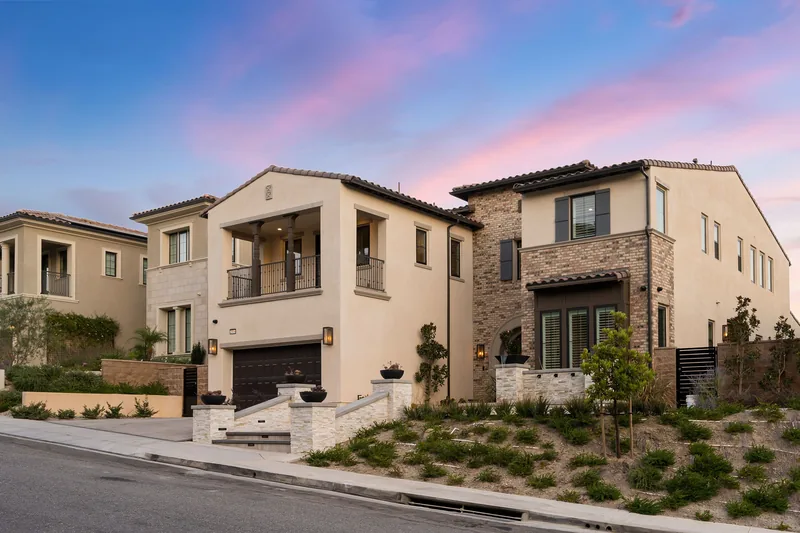
Barely two miles separate Santa Clara’s oldest buildings from the newest plats along the city’s edge, each a recorded map that divides land into building lots. We offer the same stucco work in both places, but the wall’s age, materials, location, and sun exposure change how we approach it. Those differences matter when you are deciding what your property needs.
Stucco Repair
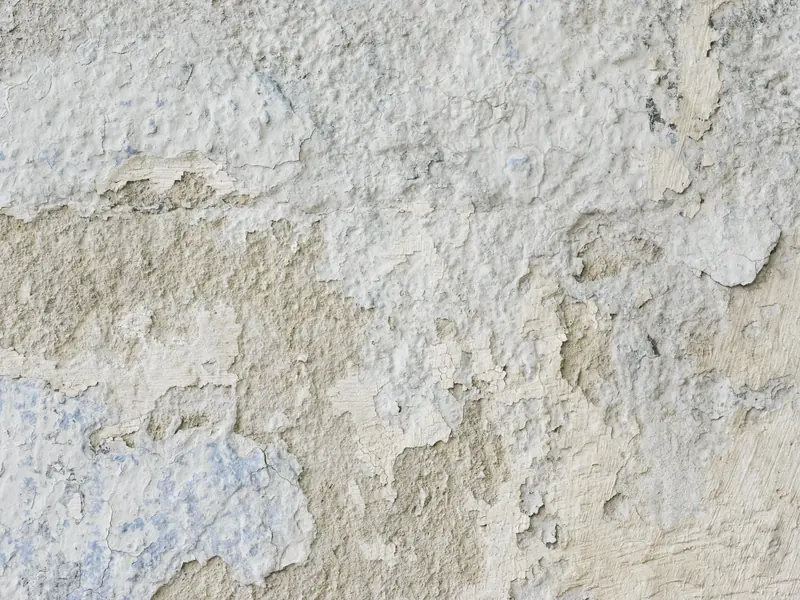
We mix each patch for the wall receiving it. On an older Santa Clara building, that usually means a softer mix with more lime to protect the substrate, whatever the wall is built of behind the finish. Before repairing cracks, chips, or impact marks, we identify what is already on your wall, choose a compatible mix, and plan the patching work.
Stucco Painting & Coatings
Inside the Historic District, the color must pass the city’s color approval process before we order the coating. The guidelines call for an earth-tone hue and matte finish instead of reflective surfaces, so we help you compare exterior coatings and choose one that fits those requirements. Wherever your home is located, we also account for sun exposure across the elevation so the finished color works with the rest of the wall.
Stucco for Block Walls
The small-lot plats north of Pioneer Parkway often use freestanding block walls, technically concrete masonry unit walls, as property walls between neighboring homes rather than around paddocks. Because each side faces someone’s property, we apply the finish to both. If your block wall and house are being built at the same time, we quote them together and coordinate the stucco colors and textures so the two surfaces match.
Commercial Stucco
The Gateway node concentrates the city’s storefront work around Santa Clara Drive and Canyon View Drive. Santa Clara’s guidelines note that some mid-century homes in the district now contain small offices, cafes, and shops. That means your commercial frontage may still be a residential-style building on a residential lot. If your business remains open during the project, we arrange the work sequence around your operating hours rather than treating the wall as an empty jobsite.
Stucco Replacement & Removal
Stucco removal on soft masonry is slow work: when rigid portland cement plaster has to come off, we take it off carefully and use a compatible sacrificial render, a renewable protective coat, to limit further damage to your building. If re-stuccoing would create more problems for your building, we tell you it is the wrong approach.
Stucco Remediation
On an old wall, incompatible hard stucco can leave you with crumbling brick or block beneath an intact plaster face. Santa Clara's own guidelines warn that sealing masonry traps the moisture already in it. Before we call the moisture damage a stucco problem, we identify what your wall is made of and where the deterioration is occurring.
Plastering Services
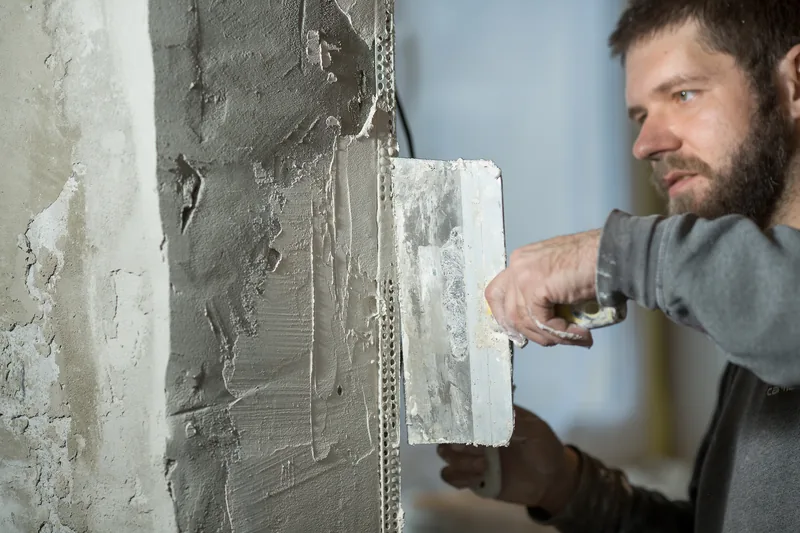
An interior from the 1930s requires a different approach than one finished last year. A house converted into a shop or restaurant still has its original residential interior behind the counter, often including old interior plaster. On newer walls, we skim blueboard, a gypsum panel made to receive plaster, and lay a thin veneer finish over it. ASTM C843 sets how that coat goes on. Before adding a skim coat, which is a thin finishing layer, we match the plaster already on your walls.
Stucco Installation
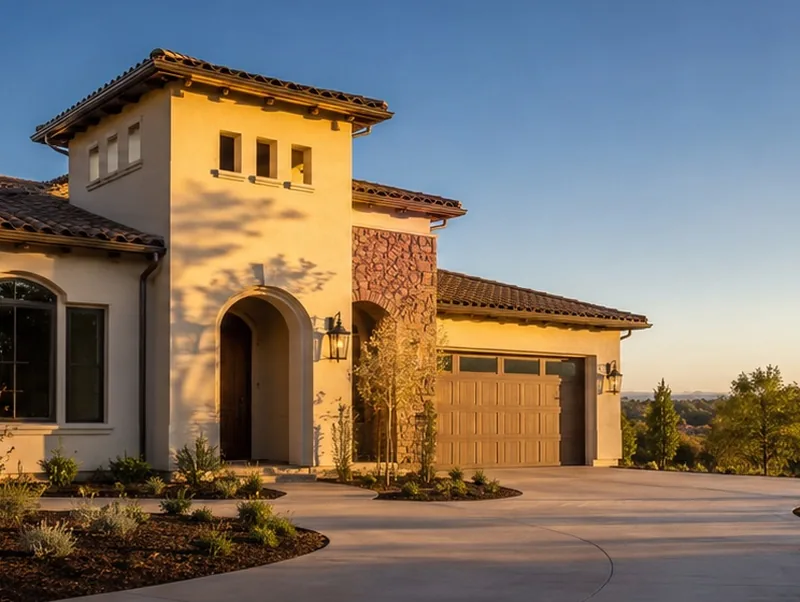
The district's guidelines treat stucco as an accent material and cap it at one-quarter of the wall area. Before plastering begins, we help you plan where stucco will meet the other exterior materials and work through that layout during the estimate. Outside the district, you can specify the new stucco system, and we build the wall with the finish you choose.
Stucco Resurfacing & Recoating
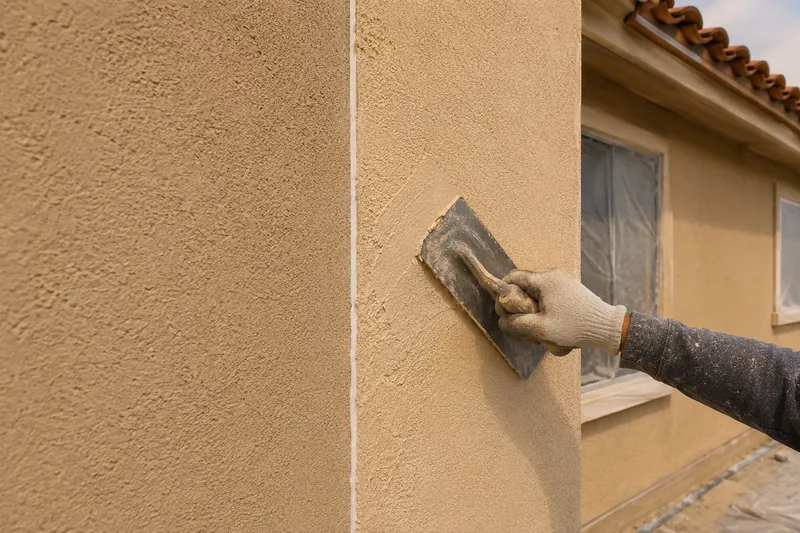
When we recoat your stucco, the first visible changes are its texture and sheen, so we reproduce the existing texture rather than applying a stock pattern. If we are resurfacing only part of an elevation, we carefully blend the repair edge into the older finish. We often soften that transition with a fog coat, a thin cement wash tinted to match the finish, so the new and existing areas meet without an obvious line.
New Construction Stucco
Builders are developing Pioneer Pointe and the surrounding plats in phases, so we keep the finish and color consistent for owners from one construction phase to the next. Our work begins with the lath, the reinforcing mesh beneath the stucco, and the accessories that form clean edges and transitions before we apply any coats. We schedule your stucco work around the builder’s overall phase instead of treating each wall as a separate project.
Decorative Stucco & Architectural Details
We use architectural details to keep a broad stucco wall from looking plain. In the district, the guidelines call for traditional detailing wherever your design uses stucco, so window surrounds, sills, and horizontal bands belong in the original plan rather than being treated as extras. We shape each profile directly in the stucco coat instead of gluing decorative pieces onto the wall after the finish is complete.
Stone Veneer
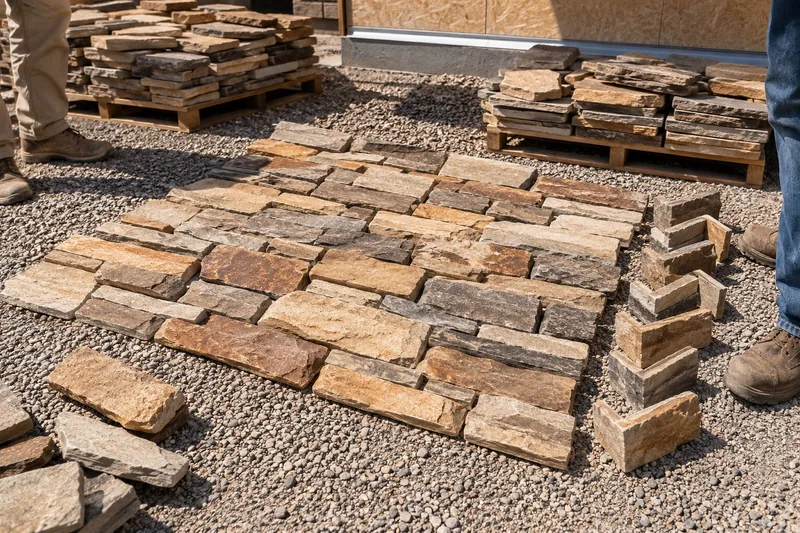
District elevations usually include stone because the guidelines call for indigenous stone across a share of the vertical wall surface. We install adhered stone veneer, which uses thin stone bonded to the wall rather than full stone supported by a foundation base. By handling the stone and plaster as one elevation, we coordinate where the materials meet instead of leaving the transition to two trades. At the base of your wall, a masonry accent also receives rain and irrigation splash that would otherwise strike the plaster.
What a Stucco Contractor Does on Santa Clara's Oldest Walls
Santa Clara has a small, named group of pioneer-era buildings, but most Historic District properties are single-family houses built between the 1920s and the 1960s. The city's design guidelines identify Utah vernacular Greek Revival, Craftsman bungalow, period cottage, and ranch styles. A stucco contractor may therefore encounter three different generations of historic masonry and framed walls, each requiring a different approach from the same trade.
Why a Hard Cement Coat Is the Wrong Answer on a Soft Old Wall
Adobe, soft brick, and soft sandstone are weaker and more flexible than a hard portland cement coat. We begin with substrate identification, which means determining the wall material beneath the finish, because it tells us what can safely cover it. When the coating and wall move differently, the softer masonry gives way first. Instead of cracking through the plaster, the masonry may spall, meaning its face flakes or breaks off. Once you see that damage, the job has become masonry repair rather than a simple plaster patch.
On soft masonry, we use a softer render, the plaster coat applied over the wall, with more lime and a compatible mortar that is softer than the masonry units it beds. This finish is meant to take the weather and be renewed before the masonry suffers.
Telling an 1870s Wall From a 2005 Wall Before Anything Is Mixed
Different wall systems can look surprisingly similar from the sidewalk, so substrate identification comes before anything is mixed. An older building may have solid masonry covered with plaster. A mid-century house may have wood lath or wire lath fastened over framing. A modern house may have a wall assembly with a complete plaster system installed over sheathing, the panels attached to the outside of the framing.
The exterior finish alone will not tell you which wall you own. With your agreement, we probe a small, hidden area and inspect the edge at a window reveal, where the wall turns into the opening. We also check the base of the wall, choosing the test area that will reveal the most without leaving a visible mark. The probe takes place during the free estimate visit, costs you nothing, and we make the opening good afterward whether or not you hire us. We record what the probe shows before naming any repair material. If we find rot or other damage behind the finish, we put the finding in writing and re-price the scope before we go further.
About Santa Clara, Utah
Jacob Hamblin settled here in 1854 while serving a mission to the southern Paiute. Fort Clara was built during the winter of 1855 and 1856. In 1861, Swiss families arrived with the Cotton Mission, and the town plat was recorded that same year. The 1862 flood washed away both the fort and its irrigation works, so Hamblin rebuilt on higher ground. That second house is now the Jacob Hamblin Home, an LDS house museum open for daily tours, while the Fort Clara site remains below it.
The Santa Clara Relief Society House and the Mormon Tithing Granary are also still standing. You can find both on Santa Clara Drive, where mature Sycamore trees line the street a few minutes from Heritage Square, the city’s historical park. The 2020 census counted 7,553 residents, and Santa Clara sits 2,759 feet above sea level. If your home is near the old street, much of what the Swiss settlers left behind stands within a few hundred feet of your front door.
Where We Work Across Santa Clara
Our Santa Clara service area covers five places where the conditions within that coverage affect how we plan, sequence, and price stucco work. City color rules, phased developments, shared block walls, commercial frontage, and large estate homes can turn similar-looking projects into very different jobs.
The Historic District: Painting and Coatings Under the City's Color Rules
The Historic District follows Santa Clara Drive and the neighboring side streets, and it is an official city zoning designation. The current guidelines were adopted by ordinance in May 2024 and replaced an earlier version, so work completed for a neighbor several years ago may have followed different rules. Before we apply exterior coatings, the color needs approval. We prepare that submittal, including the color board of proposed samples, around the material and finish already on your wall.
Pioneer Pointe: Finishing New Houses One Phase at a Time
Pioneer Pointe occupies the northeast corner of Pioneer Parkway and 400 East. The city's general plan records six phases and 133 units across 18.09 acres, with single-family homes and townhomes on the same plat, or recorded development layout. The first phases are under construction. Here, we schedule new construction stucco around the phased construction rather than an individual homeowner's calendar.
Desert's Edge, Coyote Landing and Quail Crossing sit along North Town Road, several blocks north of Pioneer Pointe. The general plan assigns six phases and 240 units to these 20.05 acres, for an overall density of twelve units to the acre. With homes that close together, block walls between lots account for a substantial amount of the finished surface. We price a party wall, meaning a wall shared by adjoining properties, as one continuous run rather than two separate jobs.
The Gateway at Santa Clara Drive and Canyon View Drive: Stucco for Business Frontage
The city calls this intersection the Gateway Area and describes it as a regionally competitive business hub with high visibility and good highway access. The general plan identifies only two commercial nodes, or concentrated business areas, in Santa Clara, so we concentrate commercial stucco in specific locations instead of spreading it evenly across the city.
The Santa Clara Side of Black Desert: Stone for Larger Estate Homes
Black Desert covers about 600 acres divided nearly equally between Santa Clara and Ivins, with 298 acres inside Santa Clara. The general plan describes the Santa Clara portion as estate lots, multi-family, office and commercial property. Because its estate homes have larger exterior wall faces than the plats to the east, those dimensions shape the stone veneer quote.
Two Kinds of Santa Clara Property Owner
Santa Clara homeowners can live only a few blocks apart yet need completely different stucco work. Inside the historic core, the Historic District and Mixed Use zone covers 15.24 acres, just four-tenths of one percent of the city's zoned land. The city's own 2025 general plan records a housing stock of 3,068 units citywide. Of those, 80.2 percent are single-family detached homes and 19.1 percent are townhomes, and nearly 60 percent were built since 2000. Both owners may call the same stucco company, but they are not asking the same questions.
The Owner Inside the Historic District
If you own a historic property inside the district, city approval shapes your choices before you begin comparing finishes. You need a finish that can pass review, sit comfortably beside neighboring houses, and be removed later without taking the underlying wall with it. Those requirements change how we prepare the estimate more than they change the price.
We put more of the work at the beginning. We prepare samples before scheduling the job, and the written scope shows the approval step from the start rather than letting it appear in week two. That gives your project a slower start but a calmer middle, with the major finish decisions already settled before work begins.
The Owner of a House Built Since 2000
This group is much larger, and the conversation is more practical. Your home's exterior probably combines three materials: a proprietary one-coat stucco system, manufactured stone veneer along the bottom, and foam trim around windows and other openings. One-coat means the scratch and brown layers go on as a single base coat, roughly three-eighths to half an inch thick, with a separate finish coat over it. The foam trim is worth watching, because it and the plaster expand differently and the joint between them tends to open first.
Each material ends somewhere, creating a termination where one surface stops or meets another. Those joints and edges are common places for water to enter, so we inspect them before recommending a repair or new coating.
You may want to know whether we can make a color change with a recoat or must remove the existing wall finish first. You may wonder whether a patch will still match in three years, or whether a crack should be opened for repair or watched for movement. On residential stucco in production housing, meaning homes built repeatedly from similar plans and materials, we answer those questions by examining the wall first. Tell us the address through our quote form and we will come and work out which of the two you are.
Santa Clara City Permits and the Historic District Review
Santa Clara has its own building department because it is an incorporated city. The city, rather than the county, issues building permits and inspects the finished work. Properties in the Historic District also face a separate city design review, which checks proposed changes against the district guidelines. A project outside the district does not go through that additional review.
The City Issues Permits, While Utah Licenses the Trade
Homeowners often treat permitting and state licensing as one requirement, although two different authorities handle them. Santa Clara City issues the permit and inspects the work. Utah regulates the trade itself. Under the Construction Trades Licensing Act, Utah's Division of Professional Licensing issues the trade license. Utah Code 58-55-301 bars the state's political subdivisions from requiring another local license before a license holder may work within their jurisdiction. You therefore have no local stucco license to ask a contractor about. The permit and inspection are the local requirements.
What the Historic District Review Covers
The city's adopted design guidelines apply to any exterior modification of a building and to site modifications, meaning changes elsewhere on the property. The Heritage Commission carries out that design review, checking the plans against the guidelines. The document specifically names painting a building and adding to a building as examples. The 2025 general plan also says that changes within the district go to the Planning Commission and the City Council. For approval, the city may require color boards, material samples and site plans.
The guidelines also control how much of a wall may be covered in stucco and what portion should be masonry. The city, not our company, decides whether those rules apply to your property and how they apply. We prepare and submit the required material, while you confirm with the city whether those rules reach your property at all; the planning department is at santaclarautah.gov/departments/planning-economic-development.
The Question Is Your Address, Not Your Building's Age
Your property's location determines whether exterior work requires Historic District review. A cottage built in the 1930s goes through review if it sits inside the district, while an older building outside the boundary does not. Eight Santa Clara properties are individually listed on the National Register, but that listing alone does not trigger the city's review. A listed building carries no local restriction by itself; a local ordinance does. Santa Clara has no National Register district, and the city drew its Historic District on its own zoning map. Start by checking your address.
Stucco Questions From Santa Clara Homeowners
We own one of the pioneer-era houses near Santa Clara Drive. Can modern stucco go straight over it?
We first need to uncover what sits behind your existing finish and determine whether the wall can accept modern stucco safely. The city does not rule out modern materials. Its guidelines allow materials that withstand aging when they are part of a design that reflects the building’s traditional character.
Do I have to match the house next door?
No. The city asks for a compatible stucco finish, meaning one that fits comfortably with its surroundings without copying a neighboring house. Reviewers consider the pattern of buildings along the block and throughout the district, so matching one neighbor does not automatically make your proposal suitable.
The Swiss families arrived in 1861. Are there really walls that old still standing?
Yes, a small number of walls from that period remain, and the city identifies which properties a proposed stucco project would affect. It also draws a clear historical line: buildings constructed after the interstate opened through the Virgin River Gorge in 1973 are classed as non-contributing to the district.
The river flooded the settlement in 1862 and again in 2005. Does low ground still matter for my stucco?
We do not evaluate flood risk, but we do check what reaches the base of your wall during ordinary use. As a flood question, no, and we will say so plainly: we do not assess flood risk and we do not read floodplain maps.
We check the weep screed, the flashed strip that lets the base of the wall drain. It must remain not less than 4 inches above the earth or 2 inches above paved areas. Rock mulch is the usual reason that clearance disappears because homeowners often pile it against the wall.
Our house was built in 2007. Do the historic rules apply to us?
The rules apply only if your property sits inside the Historic District, regardless of when the house was built. Most of Santa Clara’s stucco is well outside that boundary. Before choosing a color, you can check your address against the city’s online zoning districts and Historic District overlay map to see whether approval is required.
Do you take work in the Historic District as well as the newer subdivisions?
Yes. We take stucco work in the Historic District, in the newer subdivisions, and everywhere between them. We prepare the estimate the same way for each property. For a district project, we account for the required approval step.
Get a Free Stucco Estimate in Santa Clara
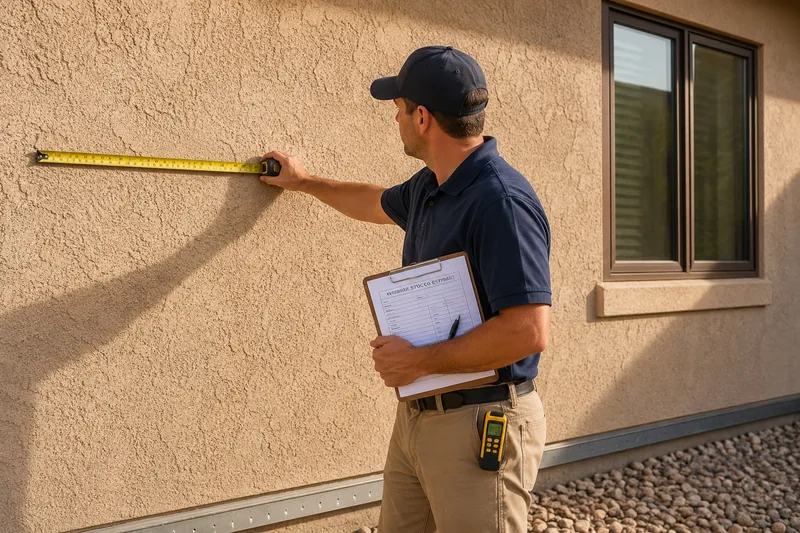
St. George Elite Stucco first checks whether your address is inside the Historic District, since your stucco contractor must know whether city approval is required before work begins. We measure each elevation and include any required approval step in the scope. The price reflects wall height and the access or scaffolding required, the difficulty of matching the existing texture, and whether the old lath must be removed. You receive the estimate in writing, and the visit is free. Call (435) 236-2699 or request a free estimate through our quote form.