Stucco Contractor in Central, UT: Repair, Recoating & Block Walls | St. George Elite Stucco
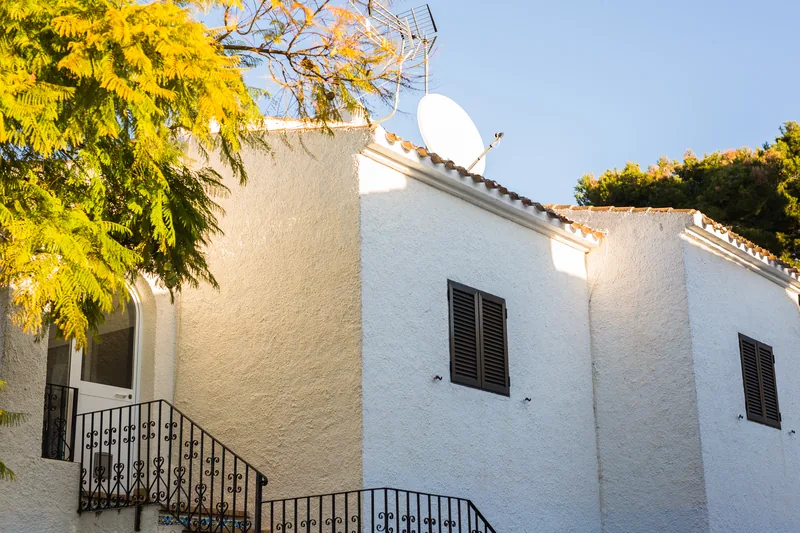
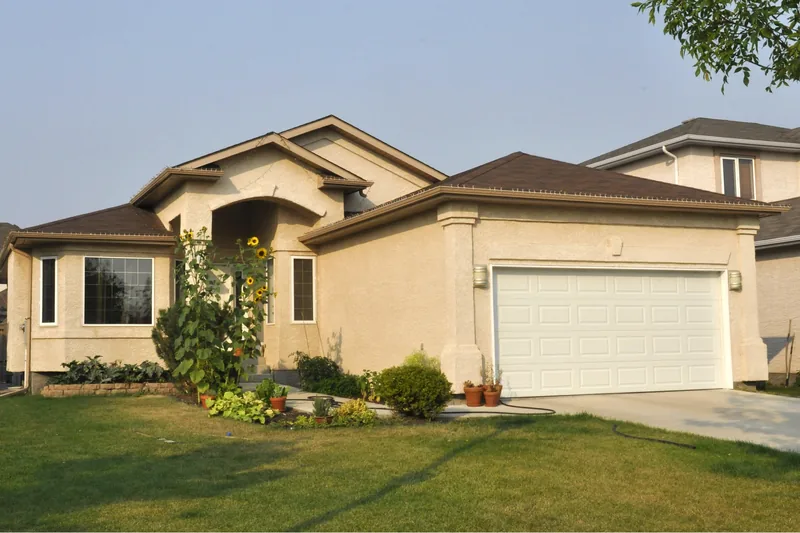
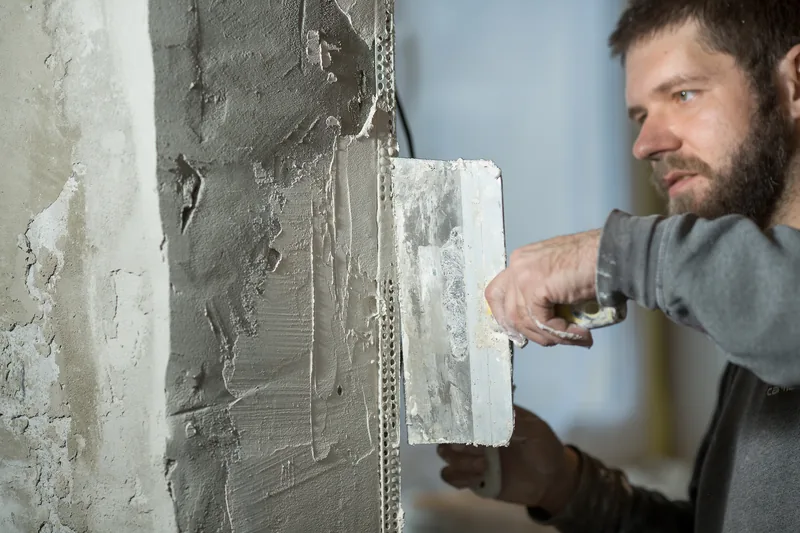
St. George Elite Stucco is a local stucco contractor serving Central, Utah, with stucco services for residential stucco and the commercial buildings scattered throughout the community. We have been plastering walls in this part of the state for 15 years. Property owners usually call us because their existing stucco needs repair, an older finish needs recoating, or a new wall needs plaster.
If your wall has failed, we can repair the damaged area, remediate problems that extend behind the finish, or handle full replacement and removal of the entire stucco system. If the plaster underneath remains sound but the exterior looks worn, we can resurface or recoat it to give the same wall a fresh surface and color. We also apply paint and coatings. For houses, additions, and outbuildings, we install cement plaster, stucco block walls, set stone veneer, add decorative and architectural details, and plaster interiors.
Central sits at 5,216 feet on the edge of the Dixie National Forest, roughly 2,700 feet above our St. George base at 2,530 feet. Walls here remain shaded longer, hold moisture in the finish longer, and face colder nights than walls in the valley. Those conditions affect when we apply a finish and whether your house needs a cement plaster finish coat or an acrylic finish, a premixed outer coating. Plans drawn for Central identify the area as International Energy Conservation Code (IECC) climate zone 3B.
We serve Central and the rest of Washington County from our St. George base. The 2020 census counted 656 people here, living in everything from older rural houses to newer properties with two or three outbuildings. Whatever type of property you own, the condition of the wall determines the scope. We inspect what the plaster is doing before we put a number on it, because a hairline finish crack requires a very different fix from failure behind the water-resistive barrier, the layer that keeps water out of the wall assembly. Call (435) 236-2699, or send your property details through our quote form.
Why Central Property Owners Choose St. George Elite Stucco
Our written estimate identifies the wall you have, states how thick we will apply the plaster, and names the finish that goes on top. It gives you a clear document to compare with another stucco company’s proposal and records what you are hiring a licensed stucco contractor to do.
We give you a clear work and scaffolding schedule so you can plan around access to your wall.
Before we work on your wall, you can verify our license and insurance coverage. We carry general liability and workers' compensation. Certificates are available before work starts, and our license number goes on every written estimate.
We protect windows, landscaping, and driveways before starting, then remove our staging and debris when the job ends.
Your county address receives a written wall specification for the proposed work.
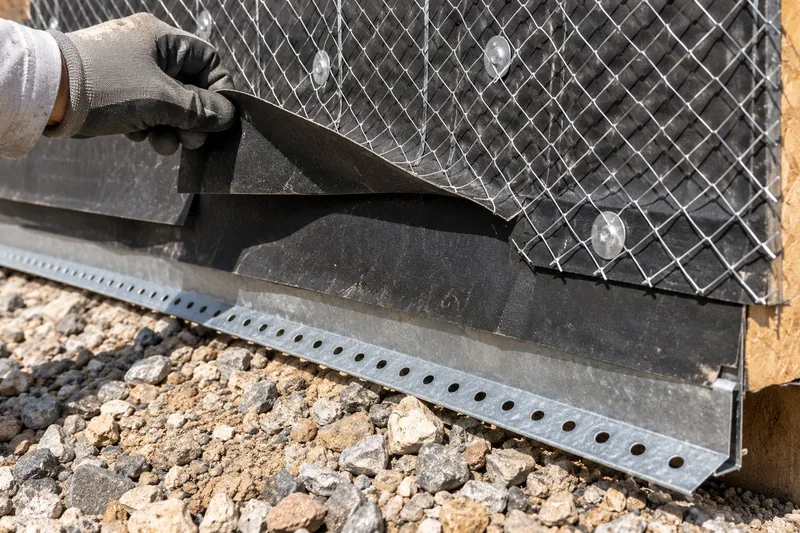
We treat the weep screed, bottom-edge flashing, and drainage plane behind stucco as code-critical because they direct trapped water.
Licensed & Insured | 15 Years of Experience | Free Written Estimates | Residential & Commercial
In Central, our work includes repairs and coatings for existing houses, along with plaster systems for shops, garages, barns, and new additions.
Stucco Repair
A crack’s location and behavior tell us more than its length alone. The shaded side of your home will often show trouble first.
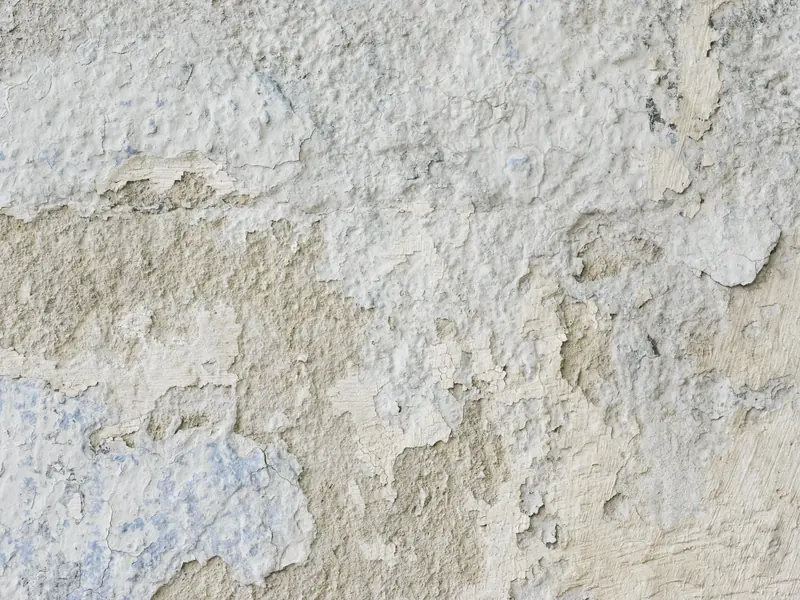
Fine crazing, a map of hairline cracks across the outer finish coat that you can feel with a fingertip, usually affects the surface. A single crack that keeps running, reopening, or widening can mean something behind the finish is moving. We determine which condition you have before agreeing on the repair because surface crazing may take a patch, while ongoing movement cannot be solved by patching the finish alone.
Stucco Painting & Coatings
Walls near the tree line collect pine needles, duff, and brown organic stains during wet weather. Duff is the layer of fallen needles and other plant debris beneath the trees. Pressure and a clean rinse remove most of that material.
Along with color, we choose the coating for its vapor permeance, which describes how easily moisture can dry outward through it. If a wall already dries slowly, a coating that seals in moisture can make the problem worse. We apply primer first over bare or repaired plaster, and the wall must be dry before the primer or finish coating goes on.
Stucco for Block Walls
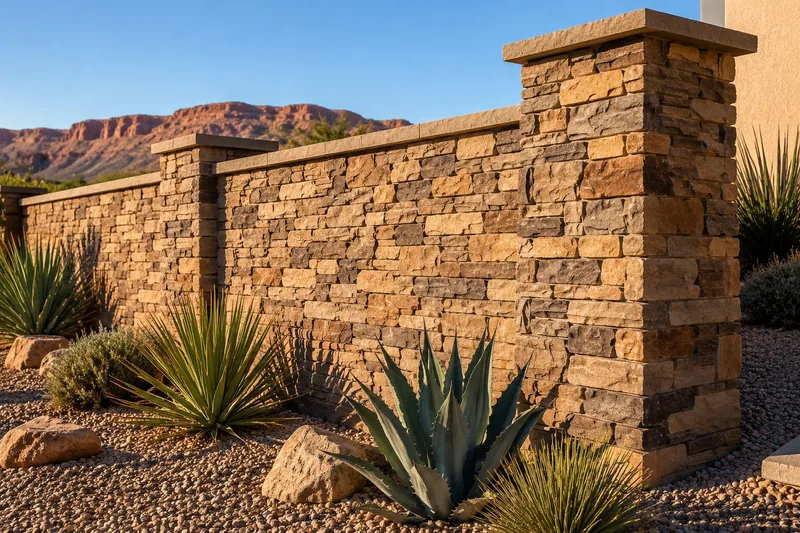
Block walls in Central are commonly shop skirts, retaining walls supporting driveway cuts, or property walls along the road rather than dividers between neighboring lots. Sound concrete masonry units, often called CMUs, can take plaster directly without lath, the metal mesh used to hold plaster on framed walls. That means we first check whether the block and mortar are in suitable condition.
If a mortar joint is cracked, the same line can show through the new plaster unless we address it first. We also examine the wall cap, the top covering that sheds water, and the grade transition, where the wall meets the surrounding ground or paving, because those are common entry points for water. Where a stucco section has a weep screed, the perforated flashing along its lower edge, it must remain clear of soil and paving so water can drain out.
Commercial Stucco
Commercial stucco work in Central usually involves a small commercial building, such as a shop, office, church building, or business operating from a converted outbuilding. These projects are generally smaller than shopping-center work, so we can often complete the job in one continuous stretch without dividing it into phases around tenants or restricted working hours.
We plan boom-lift and scaffold locations before work begins because your site controls where that equipment can safely stand. Unpaved access and soft ground can determine the setup long before we start mixing plaster.
Stucco Replacement & Removal
An older wall along State Route 18 can hide materials that are impossible to identify from the finished surface. Some walls have cement plaster over a water-resistive barrier. Others have lime plaster held by wood lath, narrow wooden strips that may predate the community’s permitting process.
We only know the full assembly once the wall is open, so we allow for those possibilities when planning your replacement. On the oldest coatings, we arrange testing before any tear-off begins, including testing for lead in older coatings. Utah requires an asbestos inspection by a certified inspector on a home built before 1992.
Stucco Remediation
Water that damages a wall here usually comes from above or the ground rather than a sprinkler. Roof runoff from a building without gutters can soak the point where the plaster ends. Snow piled against your wall can cause the same problem as it melts. Splash-back from gravel often stains or erodes the bottom of the wall well before more serious damage appears.
We check the weep screed and its clearance first so water can drain from the bottom of the wall. The residential building code sets that clearance at not less than 4 inches above the earth or 2 inches above a paved surface, depending on which surface is below it, never both at once.
Plastering Services
We plaster interiors too. In an older house here, that usually means repairing ceilings, window returns, and walls disturbed by a heating change or roof leak. A plaster key is the portion that pushes through the lath and hardens behind it, holding the plaster in place. When a key breaks loose, you may notice a soft spot or hollow sound before a crack appears.
If the remaining material is sound, we apply a skim coat, which is a thin layer that restores the surface. Where the damage extends deeper, we rebuild the section with gypsum plaster, an interior finish that hardens through a chemical setting process, back to the lath.
Stucco Installation
Many installation projects here involve changing a shop or addition from board siding to plaster. Before mixing material, we install or prepare the plaster base, either lath or a solid substrate that the coats bond and key into, and lay out the control joints. These planned breaks manage movement across larger wall areas, and their spacing must be decided at the beginning because it cannot be corrected later.
Cold-weather application has its own requirements at this elevation.
Stucco Resurfacing & Recoating
When your existing plaster remains solid, we can apply a new finish without adding to the wall’s overall thickness. Before recoating, we check the surface for cracks, loose areas, and moisture damage because a new finish will not correct problems underneath it.
We plan around the drying time each wall requires.
New Construction Stucco
Whether you are building a house, an addition, or an outbuilding behind your home, we coordinate the plaster date with the window installation and window head flashing. This flashing directs water away from the top of each opening. If we plaster before it is installed, water can get behind the wall and force us to return for repairs.
On a rural lot, you may be coordinating the trades yourself, so we identify the stucco system shown on the plans early. An engineered one-coat base uses a single, thicker base coat, while a full three-coat assembly builds the plaster in separate layers; they require different materials and do not have the same material lead time.
Decorative Stucco & Architectural Details
Decorative work on homes here commonly includes horizontal bands, a sill detail beneath a window, and a porch column wrap. These individual details differ from the standardized elevation packages that subdivision builders repeat across an entire block.
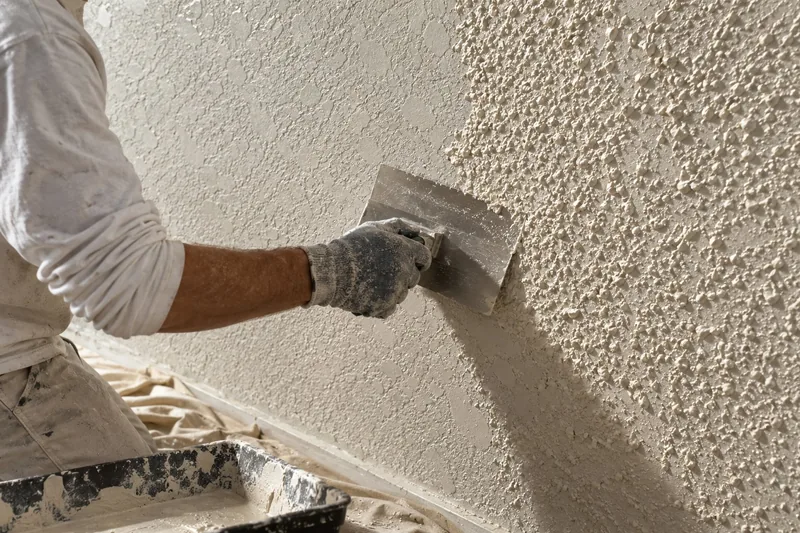
You may also choose a heavier float texture, a rougher finish shaped with a plastering float. Besides changing the wall’s appearance, it casts shadows across a broad, plain elevation that has no trim or other raised features. Before making any cuts, we draw each shaped detail at full size on the wall so its proportions can be checked in place.
Stone Veneer
Stone veneer on a local house usually forms a wainscot, a finished band along the lower part of a wall, at the base of a porch or covers the face of a chimney chase, the framed enclosure surrounding a chimney, with plaster finishing the rest of the wall. We install adhered veneer, thin stone units bonded to a prepared surface, over the same water-resistive barrier the plaster needs.
The residential building code also requires the same water-resistive barrier. Over wood sheathing, the structural panels fastened over the wall framing, that means two independent layers rather than one. If your rural property has no gutter above the stone, roof runoff reaches the wall directly, making those layers especially important.
How Forest-Edge Conditions Affect Your Stucco
Three local conditions change how we build and finish your wall. Nearby trees drop needles and other debris throughout the year. The third concern is fire, which is often the first thing a forest-edge property owner asks about. Those are the conditions an exterior stucco contractor must account for here.
Climate Zone 3B on the Plans, 5,216 Feet at Your House
Climate zones are assigned by county rather than by elevation. IECC Table R301.1, the code table that assigns those zones, places every Washington County address in zone 3B. A designer therefore specifies the building envelope, the layers that separate indoor conditions from outdoor conditions, for zone 3B, just as one would for a house in the valley. That is the correct code designation for your drawings, and we build to it.
What the designation does not tell us is how quickly your wall will cure in February. We set the curing schedule by how the plaster responds to the actual temperature, shade, and moisture.
Pine Litter, Shade, and Slow-Drying Walls
A wall near the Dixie National Forest is usually shaded by something. Needles and duff collect on ledges, settle in gutters, and pile against foundations. During wet weather, that debris can leave organic stains. A north elevation, the exterior side of a building that faces north, also holds moisture in its finish for hours after a sunny south wall has dried.
Before coating the wall, you need to know where a stain comes from. Surface marks usually wash away and stay gone after the wall dries. A stain coming through from behind behaves differently. You may also see efflorescence, the white powder left when water travels through the wall and evaporates. That indicates moisture within the wall assembly. We determine whether your wall needs cleaning or needs to be opened before applying a coating that could trap the moisture.
Where the Fire-Resistance Rating Applies
Portland cement plaster is a mineral coating made from sand, portland cement, lime, and water, with nothing in the coat that burns. We mix it and trowel it onto the wall. Forest-edge homeowners often ask what fire protection that material provides. A fire-resistance rating belongs to the complete wall assembly rather than to the plaster on its own.
That rating comes from ASTM E119, the standard that defines how one wall built to a specific design is tested against a controlled fire and how long it continues to perform. The rating covers the tested layers and fasteners in their tested arrangement. If someone changes how the wall is built, that wall does not keep the rating.
We build the approved assembly specified in your plans. If your concern is the wildland-urban interface, the zone where houses meet undeveloped vegetation, you can check Utah's wildfire risk program at ffsl.utah.gov/wuirisk.
About Central, Utah
Central sits along State Route 18 in north-central Washington County. The Dixie National Forest begins at the community’s edge, with the Pine Valley Mountains close by. Central got its name from its location between Enterprise and Veyo, where the settlement grew in the middle of the two communities. People have lived here since before 1910.
The 2010 census counted 344 housing units in Central, which reflects the community’s small scale. A few hundred people live among homes with room around them, spread along the highway and the roads branching from it. One morning every autumn, runners are bused here for the start of the St. George Marathon before the course descends toward the city. If your property lies anywhere across that area, you are within the community we serve as a local stucco contractor.
Maintaining Larger Central Properties on a Cycle
A property here often includes more than one building. You may have a house, a shop, and a garage added at different times over the years. Owners are usually maintaining what they already have instead of remodeling everything at once. That means they ask us to plan work across several buildings, determine when each wall needs recoating, and help newer stucco fit beside older finishes.
A House, Shop, and Detached Garage in One Plan
On a multi-building parcel, the house, shop, and detached garage are rarely in the same condition. The house may have been plastered years before the shop, while a previous owner may have finished the detached garage with whatever materials were available. Each building can have a different texture, face different amounts of sun and weather, and have a different amount of useful life left.
We measure every building and include it in one itemized written scope, with each outbuilding priced on its own line. You can see what it would cost to bring the whole property into similar condition, then choose the order that suits you. You might do the garage this year and the shop next, and the document does not commit you to completing everything.
Recoating Before a Wall Fails Instead of After
There is no calendar answer to when a wall needs recoating. A residential stucco contractor needs to inspect the finish before recommending work. Our stucco company does not assign an interval without that inspection. Instead, your wall shows you when the finish is wearing out. You may first notice chalking, a fine powder that rubs off onto your hand. Crazing may appear next. Uneven color across one side of the building is another warning.
Catch those signs while the plaster underneath is still firm and the repair is a fresh finish coat, nothing more. If you leave the wall exposed, water can work behind the finish and turn the same job into a tear-off, meaning the failed material must come off before we rebuild the surface. We document our sound-substrate check, an assessment of whether the plaster beneath the finish is stable, so you know which type of work your wall needs.
Matching a New Building to Weathered Stucco
If you build a new shop beside a house that has weathered for decades, we match the wall as it looks now, rather than the color it had when first applied. Years of sun and shade can move the finish far from its original sample. We place trial samples against your actual wall and examine them in daylight before ordering the material.
Texture matters as much as color when you view the buildings from a distance. A heavy float texture and a fine float texture will look different even when both use the same shade. Where it suits the work, we specify integral color, which means the pigment runs through the entire finish coat. If the surface chips later, you will not see a different color immediately underneath. For an on-site inspection, call (435) 236-2699 or use our quote form.
A Community Without a Town Hall: County Permits for Central
Central has no municipal government, so Washington County is the building authority for your project.
Incorporated in 1935, Disincorporated in the 1960s
Central legally became a town when it incorporated in 1935, then gave up that status during the 1960s. The Census Bureau now records Central as a census-designated place for population data. In plain words, a census-designated place is a boundary drawn so the people within it can be counted under one community name. The designation does not create a local body to govern the people inside that boundary. It provides a consistent geographic area for population records while leaving government functions elsewhere. That distinction is why the paperwork for your project names a county office rather than a town office.
Washington County Is the Building Authority Here
Before we write the scope, we tell you which of your buildings we expect will need a permit. For your project, permit responsibility should be settled before work begins. We handle the required permit applications through Washington County Community Development, which also schedules the inspections needed to close those permits.
The same county office therefore receives the application and arranges the inspections associated with closing the permit. The county publishes its current rules and application process at www.washco.utah.gov/departments/community-development, so you should rely on that page. Use that address as the pointer for current county information rather than relying on a town source.
What That Changes for a Homeowner Here
Utah contractor licenses come through the Utah Division of Professional Licensing, not individual towns. The credential you check for a stucco contractor is therefore a state credential, regardless of where the work takes place. There is no city business license in the picture because there is no city to issue one.
Private rules may still affect your choices. If your parcel lies within a recorded subdivision, its architectural rules may limit exterior finishes or colors. Before we set the scope or put up scaffolding, check with your neighbors or review your plat, the recorded map showing your parcel and subdivision.
Stucco Questions From Central Homeowners
Central is not an incorporated town. Who issues the building permit?
Washington County issues building permits through its Community Development office. Whether your project needs one depends on its scope, since applying a new coat over firm plaster and removing the exterior down to the sheathing are different kinds of work.
Pine needles have stained my north wall. Will painting fix it?
Painting may cover the stain, but it can also seal in residue that should have been removed first. That cleaning is necessary whether your wall ultimately needs paint or no further work.
We are on the edge of the forest. Does stucco help with fire?
Cement plaster is a mineral coat with nothing in it that burns. A rating, though, is earned by a whole tested wall and not by any one layer of it. Which rating your wall has to meet is set by your plans and by the code official reviewing them, not chosen by a contractor.
How often should a wall out here be recoated?
There is no fixed recoating schedule. Elevations on the same building wear at different rates, so we record which side is furthest along and you can address that wall first rather than recoating every side at once.
My house is old and the shop is new. Can they be made to match?
Usually, and we match against the weathered wall. Before any material is ordered, we apply a sample to the actual wall and inspect it outdoors in daylight, where you can judge how it looks beside the existing finish.
Do you actually come out to Central, or only work in St. George?
Yes, we come to Central. Central is included in our Washington County service area alongside the other communities we serve. Your estimate visit costs nothing, even if you decide not to go ahead with the work.
Get a Free Stucco Estimate in Central
When you ask St. George Elite Stucco for an estimate, we start with a property visit so your stucco contractor can see the walls firsthand. Whatever stucco work you are considering in Central, we walk each elevation and take measurements. We also check whether the wall needs work now. If it does not, we say so in the estimate instead of recommending unnecessary repairs. You receive the estimate in writing, and the visit is free. Call (435) 236-2699 or request a free estimate through our quote form.