Stucco Contractor in Hurricane, UT: Repair, Recoating & Commercial Stucco | St. George Elite Stucco
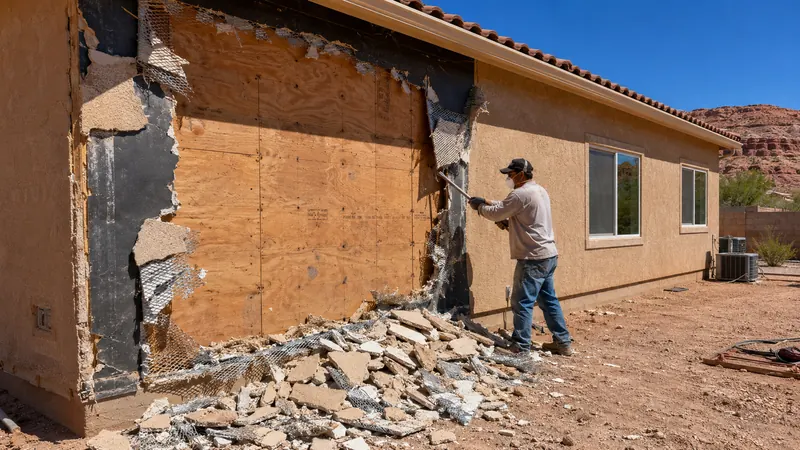
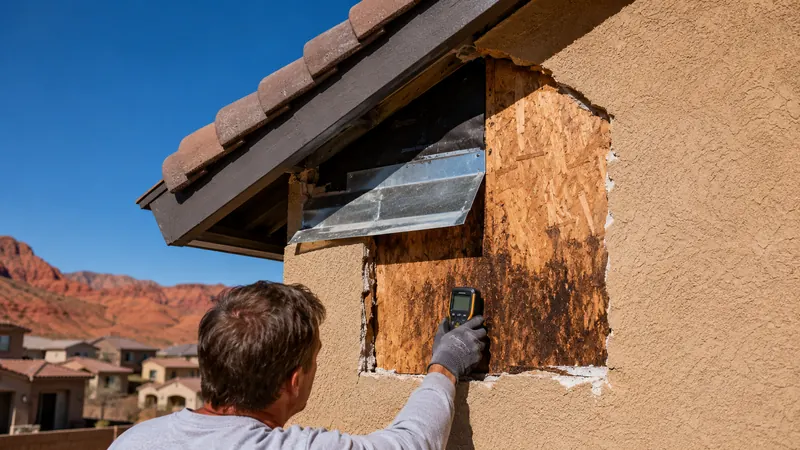
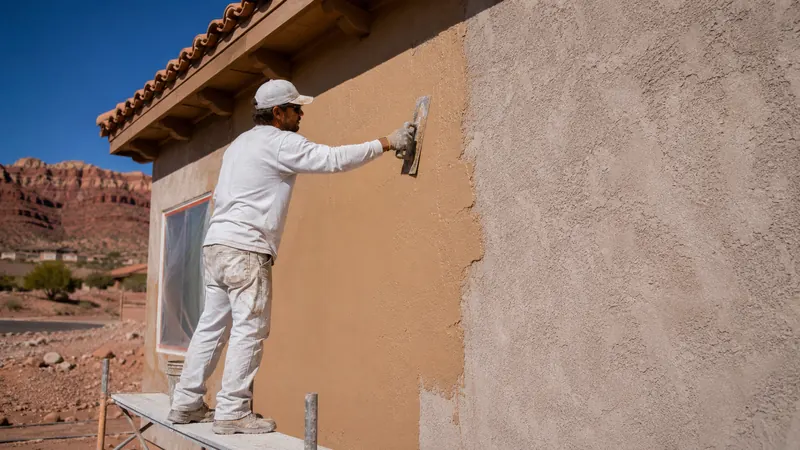
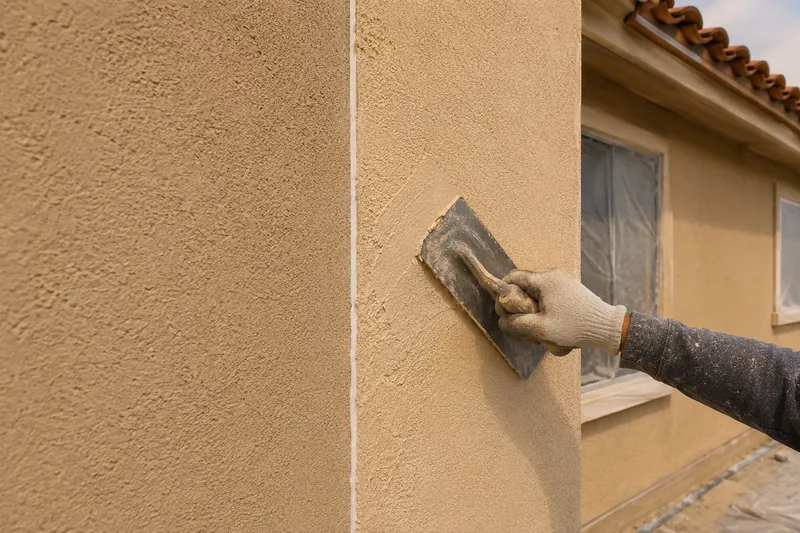
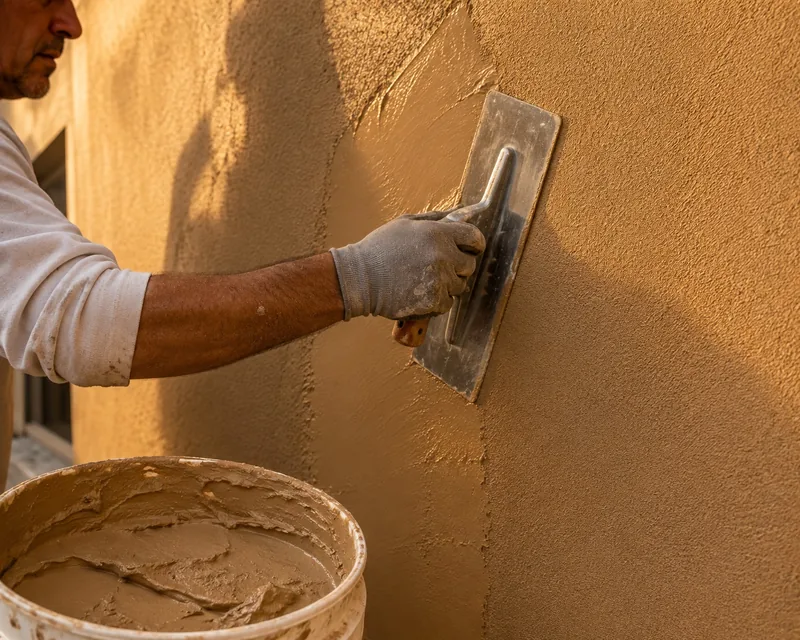
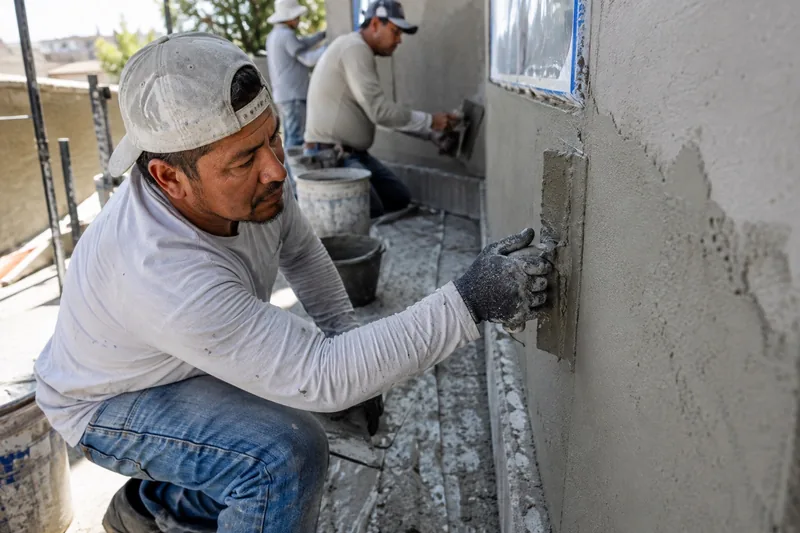
St. George Elite Stucco has spent 15 years working on houses and commercial buildings in Hurricane, Utah. If your wall has cracks, chips, or other confined damage, we repair and patch those areas. When the finish is worn across a larger surface, you may need recoating or resurfacing instead. We also handle replacement and remediation, which means finding where water entered and correcting that problem before failed stucco is replaced.
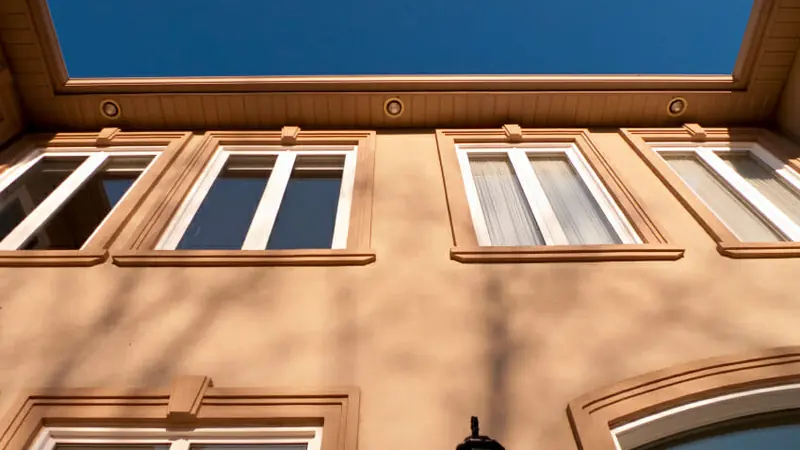
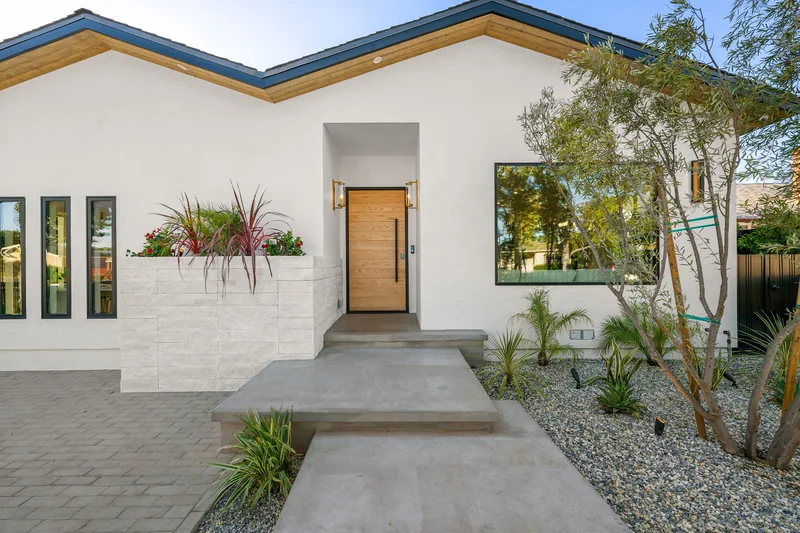
For a new building, we install the stucco system as part of the new construction. We also stucco block walls, set stone veneer, and finish commercial storefront exteriors. Inside, we do interior plaster. Decorative work includes band moldings, which are raised trim strips, as well as shaped surrounds that frame windows.
Hurricane brings two kinds of walls into the same trade. In one week, we may work on an older State Street storefront with exterior stucco added later and a modern subdivision home built last year on former farmland, two wall types that need different work from us.
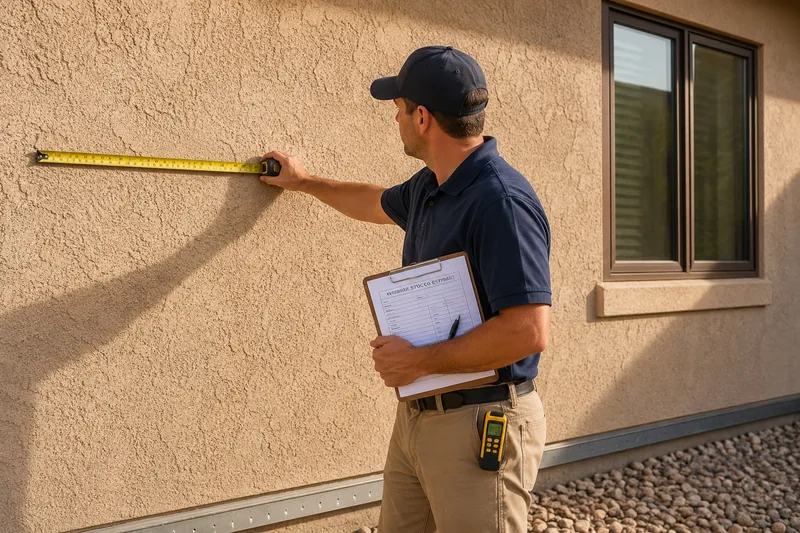
Your property is in Washington County and well within the area we already serve. Hurricane also has its own building department rather than sending you to the county. It makes sense to speak with more than one stucco company before choosing one. When you call us, tell us the address and whether you have a house or commercial building. We will visit the property and give you a free estimate in writing.
Why Hurricane Property Owners Call St. George Elite Stucco
As a local stucco contractor, we work out of our St. George shop and take on Hurricane storefronts and homes near the highway, so both can land on our schedule in the same week. Your written estimate from our stucco company states whether we are treating your wall as an older downtown wall with stucco applied later or a modern subdivision assembly. We confirm that with you at the property instead of deciding later at the shop.
Your estimate identifies your wall system, the layers already there, and proposes one-coat stucco, three-coat stucco, or an acrylic finish over it.
We specify the finish material and texture because the same color looks different on two textures.
When your wall meets the sidewalk, we include and price the required setup in the scope.
We place your sample panel where the wall will actually be judged from: the storefront sidewalk or the home's curb, and we match it against the wall's weathered appearance rather than how it looked new.
We disclose any hidden damage and explain how it affects your scope.
Before we work on your wall, you can verify our license and insurance coverage. We carry general liability and workers' compensation. Certificates are available before work starts, and our license number goes on every written estimate.
Licensed & Insured | 15 Years of Experience | Free Written Estimates | Residential & Commercial
Call (435) 236-2699 or send your project details through our quote form to arrange a free estimate at your property. You pay nothing for us to inspect the stucco before you decide whether to move ahead. We also work as a stucco contractor in Virgin, which is farther up State Route 9, where the highway follows the Virgin River toward Zion.
The stucco services your property needs depend on its wall assembly and current condition. We identify how your wall was built before recommending the work.
Stucco Repair
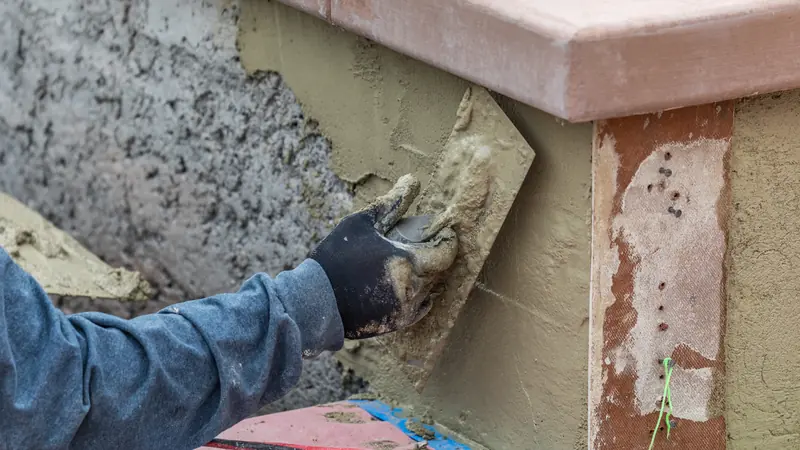
We judge a crack by the wall around it, not by width alone. On older buildings, cracks often follow the materials beneath the stucco; on newer buildings, they follow construction joints. Once we know the cause, we remove loose material and prepare the patch area.
Stucco Painting & Coatings
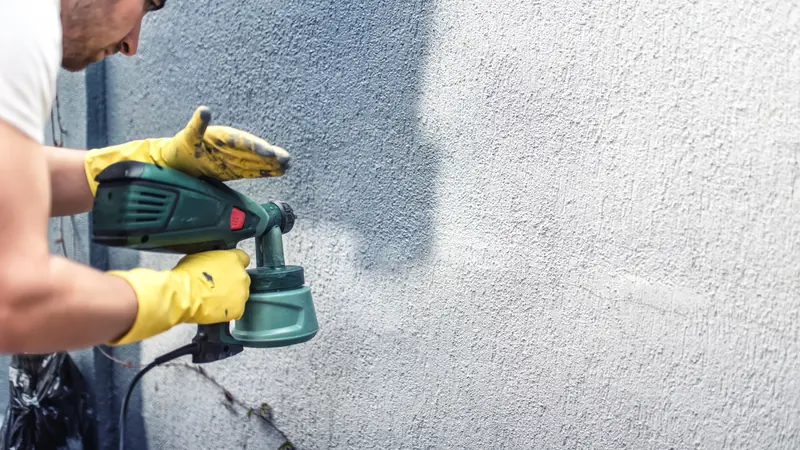
Drivers see a highway storefront from farther away and at speed, while you study a house wall from ten feet away. That distance affects how the color and elastomeric coating look. On a commercial front, we select a color that stays distinct from adjacent signs and trim.
Stucco for Block Walls
A block wall between two yards often gets finished mainly on the visible side. If open ground lies behind it, both faces receive sun and weather. Wear can begin on the overlooked weathered face and shorten the life of the stucco finish, so we account for both sides of your wall.
Commercial Stucco
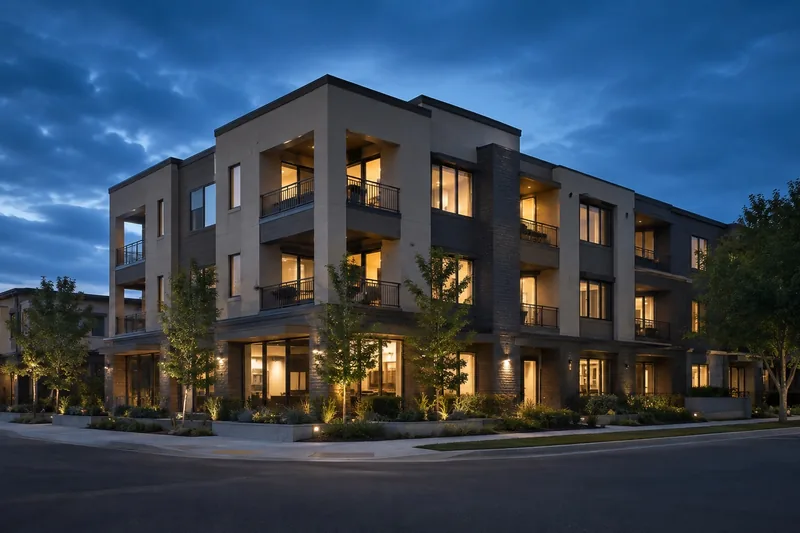
Downtown buildings stand close together, so your storefront finish has to fit between neighboring facades. As your commercial stucco contractor, we compare texture and sheen with adjoining surfaces. We also plan scaffold tie-off locations because the anchors land somewhere on your finished facade.
Stucco Replacement & Removal
On a detached house, we can stop removal and replacement at its four corners. A building in a row has two neighboring walls, so we plan where your new stucco meets the old finish. We usually install an expansion joint at the building line so adjoining surfaces can move without cracking the seam.
Stucco Remediation
Your house can take in water at the bottom of the wall, while a flat-roofed building can take it in through a parapet cap or failed roof edge. We inspect the parapet cap at corners, coping joints, roof-edge transitions, and penetrations through the top of the wall.
Plastering Services
Rooms above local shops often use plaster, a smooth indoor finish, rather than exterior stucco. We do that interior plaster work too. If most of your wall remains firmly attached, we can skim it with a thin finishing coat. When large areas have loosened, we remove the failing plaster and rebuild the finish.
Stucco Installation
With new sheathing, the panels covering the wall framing, we can follow a known wall system. If your existing wall has never held stucco, we first open a small area to identify what is behind the surface. That investigation shows what the wall can support before we plan your stucco installation.
Stucco Resurfacing & Recoating
A heavy dash texture can hide repairs from a distance yet reveal every patch at arm's length. Before we resurface or recoat your wall, we consider where people normally stand and choose a texture suited to that viewing distance. We prepare the surface so the new finish bonds evenly.
New Construction Stucco
On a new build, we install the wall before your yard reaches its final ground level. Soil, paving, and planting beds can alter the finish grade shown on the plan. The weep screed, a metal strip that drains moisture from the bottom of the stucco, must remain exposed. Code requires it to remain 4 inches above earth or 2 inches above paved surfaces, and we check it again later.
Decorative Stucco & Architectural Details
Many older Hurricane buildings get their character from wood porches and window trim rather than ornamental plaster. When we add band molding or a window surround, we can reference those shapes without presenting the detail as a restoration of the original woodwork. We choose the profile, meaning its shape and projection, with the surrounding street in mind.
Stone Veneer
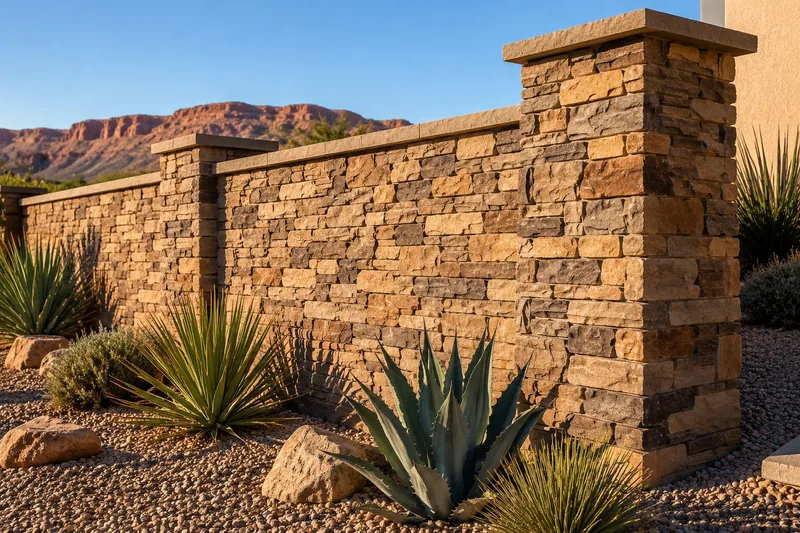
The bottom two feet of your wall beside a public sidewalk receive scuffs, splashes, and impacts. We install stone veneer there as a wearing course, a tougher lower layer that takes everyday wear while providing a visible finish. We carry the stucco above that stone base course to the top of the wall.
What a Stucco Contractor Meets on Hurricane’s Two Kinds of Wall
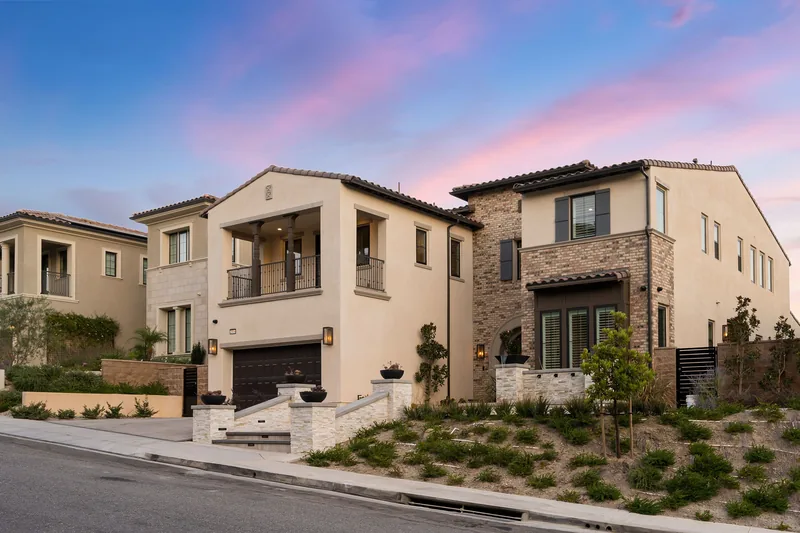
Hurricane has two distinct groups of exterior walls, rather than one basic wall type with small variations. The wall you own determines where we begin as your stucco contractor and what we need to learn before preparing a quote. As an exterior stucco contractor, we usually investigate older downtown walls more closely because they conceal several generations of materials. As a residential stucco contractor, we can generally follow documented construction plans for newer subdivision walls, allowing us to focus on installing the specified layers correctly.
Downtown Walls That Were Not Originally Built for Stucco
Listed on the National Register of Historic Places in 1995, the Hurricane Historic District covers building styles that were popular in the region from 1900 to 1940. Early builders used wood framing or brick. Hurricane City’s 2023 downtown plan also describes corridor buildings constructed from cement block and brick, with some facades finished in stone or stucco.
Those records show why much of downtown’s exterior stucco is newer than the wall beneath it. Before repairing your stucco, we need to identify that underlying material because each backing behaves differently. Stucco bonded firmly to brick does not fail like a thin skim coat over old framing and lath, the wood strips or metal mesh that support plaster.
You cannot identify those hidden layers by looking from the street. On a building of this age, we open a small test area and inspect the wall before pricing the finish. This shows us whether the stucco is attached to brick, block, framing, old lath, or another earlier surface. We can then base your quote on the actual wall rather than what we can see from the sidewalk.
Subdivision Walls on Former Agricultural Ground
Hurricane’s General Plan identifies land south of downtown as agricultural residential and says some long-time residents may be preparing to redevelop their agricultural land. Peaches and pecans are part of that ground’s farming history. Homes now being built there use standard modern construction, which gives us a more predictable wall assembly.
On a new home, the drawings usually specify every layer and the order in which we install it. We do not have to uncover the drainage plane, the water-shedding layer behind the exterior finish, or use a chisel to find the lath. The plans also give us the measured position of the weep screed instead of leaving its placement to an earlier crew.
The main risk changes with the wall type. On an older downtown building, we first need to discover what is beneath your stucco. On a new subdivision home, we need to monitor the work around the wall while the stucco cures and other crews finish the site. Although the land was farmed for years, the ground beside a new wall is still being moved for grading, paving, and final soil placement while the building goes up.
About Hurricane, Utah
Hurricane lies in Washington County, at the eastern end of the St. George metropolitan area. State Route 9 runs through the city as State Street, and the Virgin River forms nearly all of the northern border. The city sits at 3,258 feet and counted 20,036 residents in the 2020 census.
The Hurricane Canal made settlement here possible by bringing water into the valley. James Jepson and John Steele mapped its route in the fall of 1893, but the water did not arrive until 1904. Hurricane City states plainly that the town would not exist without the canal. Some local buildings date to 1906, and the Hurricane Historic District appears on the National Register of Historic Places.
If your building stands on State Street, you are only a few downtown blocks from the Hurricane Valley Heritage Park Museum, Pioneer Park, and Hurricane High School. Hurricane also includes Sand Hollow State Park and Quail Creek State Park. Along the city’s northern edge, Confluence Park occupies land shared by Hurricane and neighboring La Verkin.
Where We Work Around Hurricane
Hurricane’s named areas help us anticipate what stands next to your building before we visit. At some State Street addresses, the sidewalk sits directly against the wall; some South Fields properties back onto open land. The location still cannot tell us what finish is on the wall, so we confirm that detail during the visit.
Painting and Coating State Street Storefronts in Downtown Hurricane
While walking the State Street corridor in November 2022, the authors of Hurricane’s 2023 downtown master plan recorded decay and discoloration on some stucco buildings. That was an assessment of a corridor, not a verdict on any one building. A tired finish can cover stucco that remains sound underneath. We recommend a coating only when the stucco beneath it remains firmly attached and in good condition.
The Hurricane Historic District: Repairs on Shops, Sheds and Houses Alike
The Hurricane Historic District is not solely residential. Shops, institutional buildings, and outbuildings all sit within the same district boundary. That mix matters because we quote repairs from the wall in front of us, not the address alone. A church and a bungalow from the same decade can have completely different wall materials and repair needs.
Dixie Springs: First Coats on Houses Going Up Toward Sand Hollow
Hurricane’s General Plan places Dixie Springs and Sand Hollow Resort near Sand Hollow State Park, describing them as large neighborhoods well away from downtown. Because these are newer parts of Hurricane rather than the old street grid, we usually install the first stucco finish instead of coating existing stucco. We also have to fit that work into the construction schedule established by the other trades working on your home.
Block Walls Along South Fields and Bench Lake Properties
South of downtown, city planners call these agricultural residential areas South Fields and Bench Lake. The area includes large lots bordering fields, and some properties keep small livestock. For that reason, our work in these areas often begins along the property line rather than against the house. We measure a long run beside a field differently from a short wall between neighboring houses.
Finishing Larger Buildings in the Purgatory Area
The city describes the Purgatory area as the west end of town, and its 2019 transportation plan places County Legacy Park, the fairgrounds and horse racing facility, state agency buildings, and two industrial parks there. As a commercial stucco contractor working on buildings of that size, we measure from elevations, the drawings that show each exterior face, and the other project drawings. That requires a different site visit from the one we make when quoting stucco on a State Street storefront.
Where We Can Put the Scaffold on a Hurricane Property
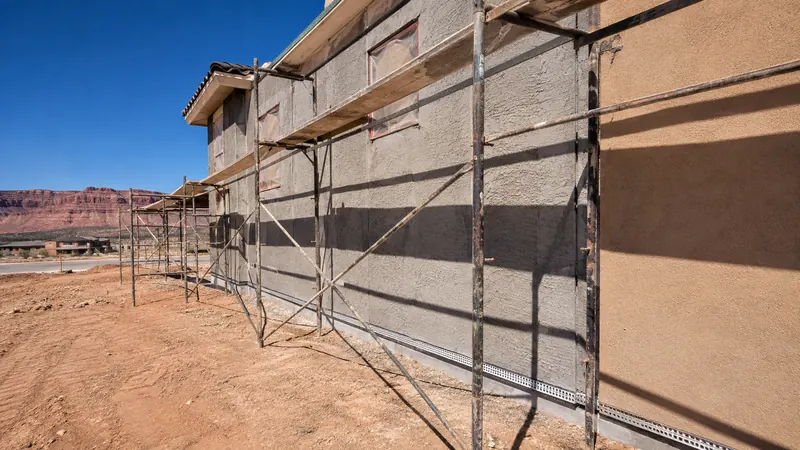
Your wall is only one part of our job site. We also need level ground for scaffolding, a temporary platform that gives our crew safe access, plus room for materials and equipment. That space differs between older downtown buildings and newer Hurricane properties. Before we quote your project, we inspect the site access, including the access route, and decide where everything can go.
When the Wall Begins at the Sidewalk
Hurricane’s 2023 downtown plan describes buildings with little or no setback from the sidewalk, alongside a six-foot walk running by the curb. The state highway begins beyond that curb. Because the area directly in front of a downtown wall is public space, we need to know how much sidewalk we can use and how long it will remain available.
For a building like yours, we may have to finish the exterior one section at a time instead of placing scaffolding across the entire facade. Keeping part of the public walkway open may leave no room for a full setup. What can be closed, and for how long, is decided at the city, and we would rather tell you that in the estimate than after the scaffold is standing.
When the Wall Faces Your Driveway or Yard
Outside the downtown corridor, we can usually set up and stage materials, meaning place them close to the work area, on private property. Hurricane’s 2019 transportation plan says the original town survey created a street grid with rights-of-way measuring 82.5 feet in some places and 66 feet in others. A right-of-way is land reserved for streets and related public use. The 2023 plan also describes older residential blocks with mature trees and roadside gravel strips, sometimes without gutters.
Newer neighborhoods generally have subdivision lots with driveways and side yards. Using your property usually makes permission simpler, but we still need enough clear space for the scaffold, mixer, and materials. Trees, fences, gates, and narrow passages can determine which parts of the yard we can use.
A mature tree beside an older wall may keep the scaffold from reaching part of the surface. A narrow side yard may force us to place the mixer farther away than we normally would. We inspect the path from the staging area to your wall as carefully as the wall itself, then choose where to store materials and where our stucco applicators can work safely.
Send us the property address and call (435) 236-2699, or use our quote form. We will explain the proposed setup before you commit to the work.
Hurricane City Permits and Subdivision Approval
Stucco permit questions are generally similar from one city to another, but Hurricane also reviews exterior materials. That means the finish you want on your building may need approval as part of the project plans.
The City Issues Permits and Reviews Exterior Materials
Hurricane’s Building Department issues building permits for work within city limits (cityofhurricane.com/158/Building-Department). For new residential, commercial, and industrial projects, city planning staff conduct a separate plan review. They compare the drawings with requirements for zoning, parking, setbacks, which are the required distances from property lines, building heights, landscaping, and building materials (cityofhurricane.com/177/Planning-Zoning).
Those building materials include your cladding, the material covering the exterior walls. On a new Hurricane project, you and your contractor need to choose that finish before the permit process is complete. The city reviews it along with details such as the building height and parking layout.
We treat the finish as a project requirement from the start. In the estimate, we identify the stucco system, meaning the combination of layers used on the wall, and the finish material. We describe both clearly enough for the person reviewing your plans to understand what we intend to install.
The city specifically describes this material review for new construction. If you are recoating an existing wall, different permit requirements may apply, but the same department makes that decision. Whether your job needs a permit at all is the department's call, not ours, and their pages are where that answer comes from.
Your Subdivision May Add an Approval the City Does Not
Before choosing a finish, check whether a homeowners association governs the subdivision shown on your plat, the recorded map of your property. Its architectural approval is private and may limit your color choices even if the city does not require a permit. We cannot tell you which Hurricane subdivisions run one, or what any of them ask for, because that lives in governing documents we have not read.
Being inside the historic district is not a third approval on top of either, since a National Register listing places no restriction on a private owner spending private money (nps.gov/subjects/nationalregister/faqs.htm). If a state or local rule applies to your building, that is a separate question, and the city is who answers it.
Stucco Questions From Hurricane Owners and Managers
We have tenants in the building. Do they have to close while you work?
Usually not. Your tenants can generally keep using the building while we work. We make most of the noise and dust at the start, when we remove the old finish and prepare the wall, so we discuss entrances and access before starting.
My building is in the historic district. Does that add an approval before I redo the stucco?
No. A National Register listing does not add an approval by itself when you pay privately. Federal assistance changes the situation, so tell us if a grant supports the facade project and ask the city about any local requirements.
Do you actually take work in Hurricane, or only around St. George?
Yes. We work throughout Hurricane on both commercial storefronts and houses. Tell us where your building is and how people use it so we can plan setup, maintain entrance access, and account for occupied spaces.
Our lot was farm ground a year ago. Does that change the stucco?
It changes the site more than the wall. We schedule stucco after your building is closed in, with exterior openings protected from weather, and after other trades clear the work area. Former farm use does not determine the finish.
Our block wall runs along a field, not between two houses. Does that change it?
Yes. Along a field, both faces and the top of your wall are exposed. We measure all three surfaces for the estimate, and we inspect the less-visible face because deterioration there can shorten the life of the finished side.
There are apartments over our shop. Can the inside be plastered while the shop stays open?
Yes. We schedule interior plaster in your upstairs apartments separately from exterior work on the storefront, allowing the shop to stay open. Weather can delay exterior stucco, but the upstairs work does not have to wait for the building’s front.
Get a Free Stucco Estimate in Hurricane
When you contact St. George Elite Stucco, a stucco contractor, send the street address and say whether the property is a house or a building with tenants. That helps us prepare for the different access and setup questions each type of property raises. You receive the estimate in writing, and the visit is free. Call (435) 236-2699 or use our quote form to request your free estimate.