Stucco Contractor in Veyo, UT: Repair, Recoating & Installation | St. George Elite Stucco
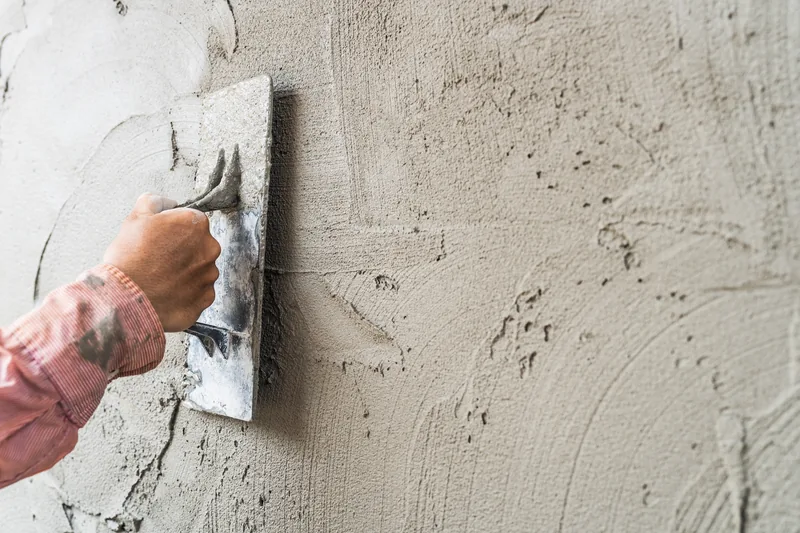
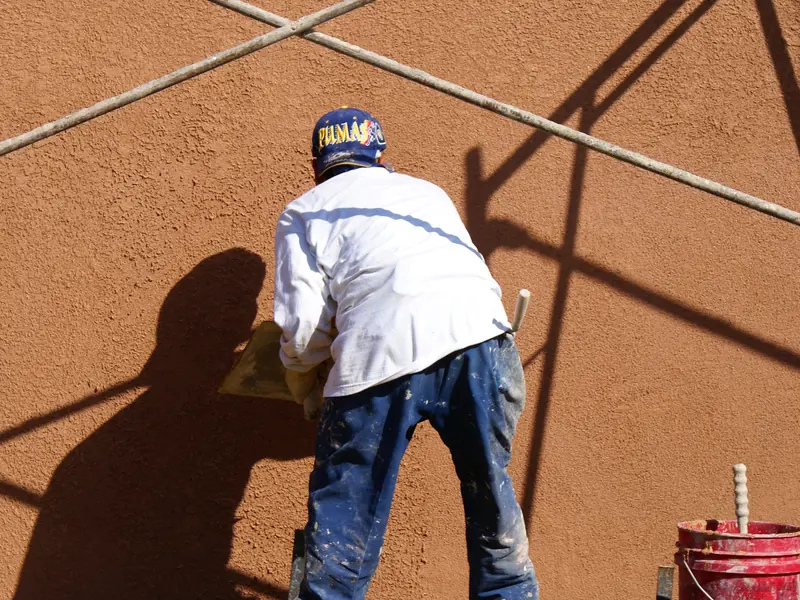
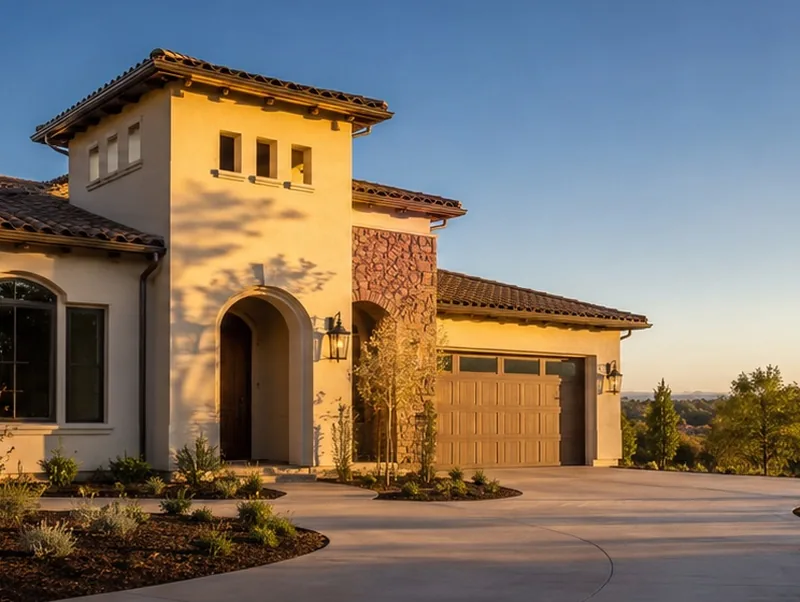
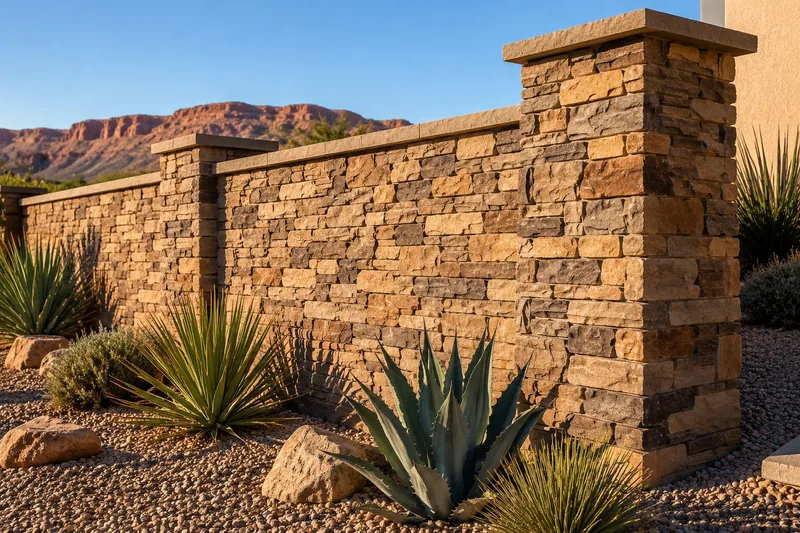
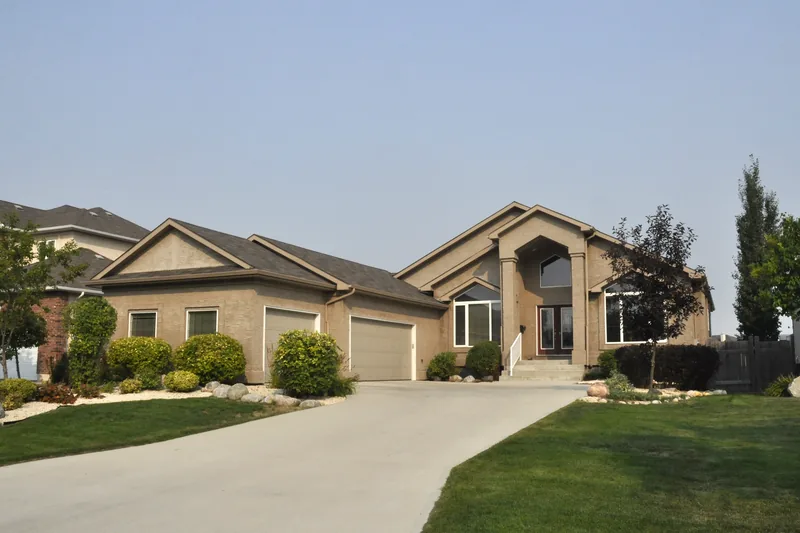
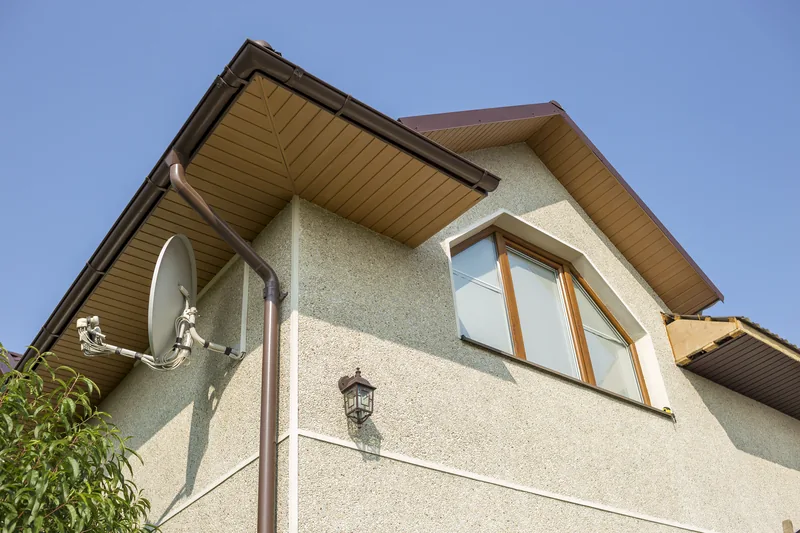
St. George Elite Stucco is a stucco contractor working up the State Route 18 grade in Veyo, Utah, and we have spent 15 years on walls across Washington County. When a wall has already failed, we take on stucco repair, remediation, or a full replacement and removal down to the sheathing. When the wall is still sound but the exterior looks tired, you are usually choosing between resurfacing and recoating, stucco painting and coatings, or decorative and architectural details. On new work we handle installation and new construction, we stucco block walls, and we set stone veneer, and we take commercial buildings and interior plastering as well.
Veyo is where the drive north out of St. George stops being a desert drive. The town sits close to two thousand feet higher than our shop, and the winters here turn cold in a way the valley floor never sees, which changes what a wall has to survive. Water can freeze inside a wall here rather than only drying out of it, and we spec residential stucco in Veyo for that cold rather than taking a desert approach up the grade.
Because Veyo is unincorporated, there is no city hall here and Washington County is the building authority for the work. The town sits inside the area we already cover north of St. George, near Central, Brookside, and Dammeron Valley along the same highway. Whatever the wall needs, we look at how it is taking the winters up here before we quote it, and you get the plan in writing. For a free written estimate on your own wall, call (435) 236-2699 or send us the quote form.
Our crews travel up and down the State Route 18 grade every week, so we understand how Veyo’s colder winters affect your exterior walls. We plan the stucco system for those conditions instead of using the same approach we use in the desert. St. George Elite Stucco is a local stucco company and licensed stucco contractor. Before we send a crew, we give you a written scope that spells out the work.
On our first visit, we walk your property and measure every wall you want included in the quote.
Your written estimate lists which wall system, plaster thickness, and finish we will use.
Before we work on your wall, you can verify our license and insurance coverage. We carry general liability and workers' compensation. Certificates are available before work starts, and our license number goes on every written estimate.
A single lead runs your project from the first site visit to the last.
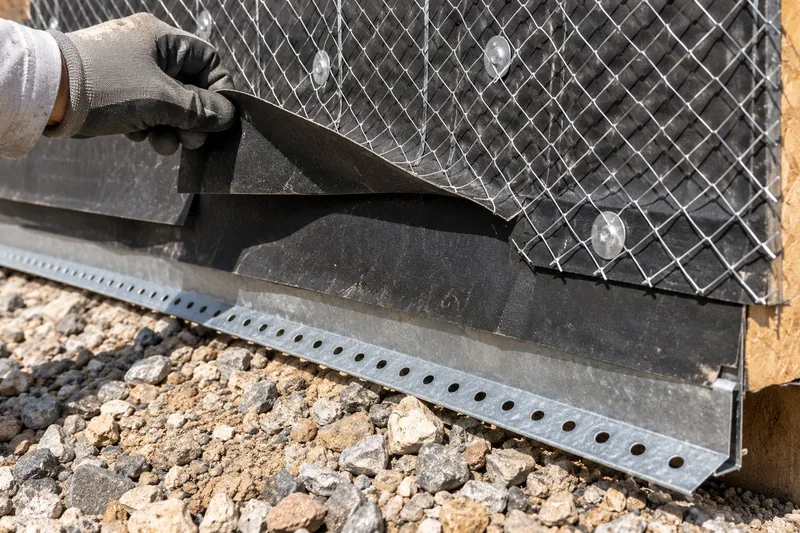
We treat the base-draining weep screed and water-shedding drainage plane behind your finish as code-critical assembly parts.
We price and build one-coat, three-coat, and EIFS with drainage, a foam-and-synthetic wall system, separately because each wall system has different requirements.
When cold weather arrives, we tent and heat your work area so the fresh coat cures before freezing.
Licensed & Insured | 15 Years of Experience | Free Written Estimates | Residential & Commercial
Call (435) 236-2699 or use our quote form to schedule a free on-site estimate. Brookside is the next community up State Route 18, and the same crews work there. Contact our stucco contractor in Brookside if your property is nearby instead.
Most stucco work in Veyo, 18 miles north of St. George, involves existing walls on older homes, and the colder conditions up the grade affect what those finishes must withstand. We also apply the first stucco coats to new homes and outbuildings. We provide the same services throughout Washington County, but in this valley we plan the work around the winters your walls face.
Stucco Repair
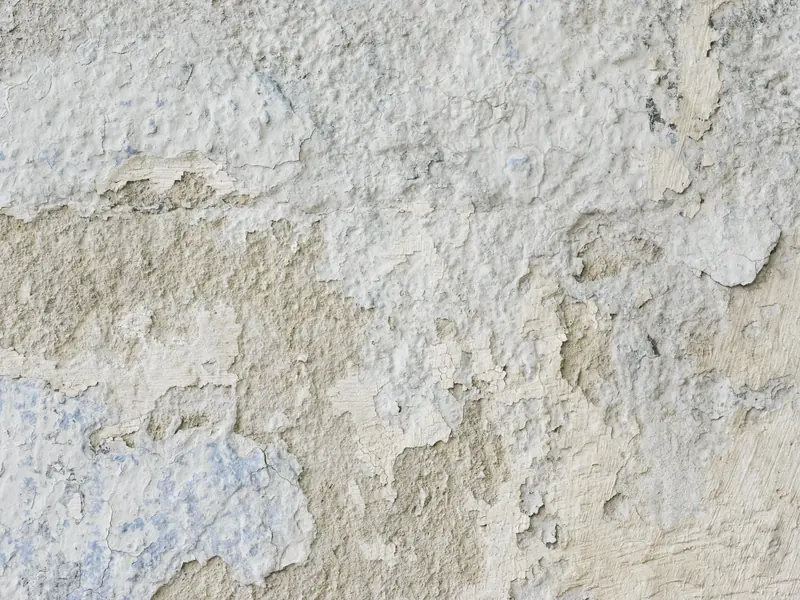
After several cold winters, you may see chips or flakes breaking away where water has entered behind the finish. Contractors call this spalling, and it is different from a fine surface crack on a desert wall. Before we patch the finish coat, we find where the water is entering and address that source. Otherwise, moisture remains behind the patch and can make the new material lift again.
Stucco Painting & Coatings
A coating on your Veyo wall must shed rain and melting snow while still allowing trapped moisture to dry. If the coating seals water inside, freezing temperatures can make the finish lift. Before recoating, we check how the wall absorbs and releases moisture and whether the existing surface remains firmly attached. Those findings determine which coating layer we apply, rather than habit or the wall’s current color.
Stucco for Block Walls
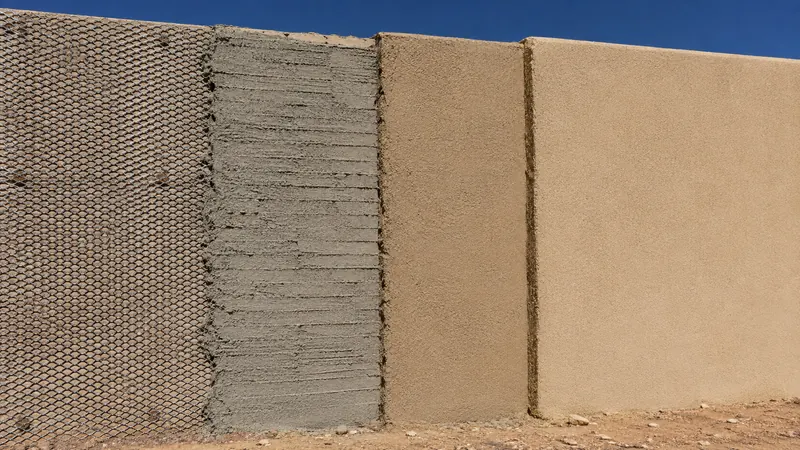
Acreage properties around Veyo often have stucco on property boundaries and livestock enclosures as well as homes. Concrete masonry unit block, commonly called CMU, needs room to drain and dry where the wall meets the ground. We keep the stucco above the soil so water cannot collect along its lower edge. Stucco can bond directly to sound block, while smooth or painted block needs a bonding coat first.
Commercial Stucco
Commercial buildings in Veyo generally sit along the highway frontage, so your project is more likely to involve one roadside building than a shopping center. As a commercial stucco contractor, we quote this work much as we quote a home: we size the building, lay out the work for each elevation, or exterior side, and schedule our crew around the business or other activity continuing inside.
Stucco Replacement & Removal
Veyo’s subdivisions were platted in the 1970s, with none added since, so many walls may predate 1978, the year tied to federal lead-paint rules. We date the build before scoping any tear-off, and on a pre-1978 wall the old coatings get lab-tested for lead before we take anything down.
Stucco Remediation
Water trapped behind the finish causes most stucco failures up here. During a cold winter, that moisture can freeze and expand, pushing the stucco loose. Before deciding how much of your wall must come off, we use a moisture meter, a tool that detects dampness beneath the surface, to map the affected area. The visible stain is often smaller than the wet area inside the wall.
Plastering Services
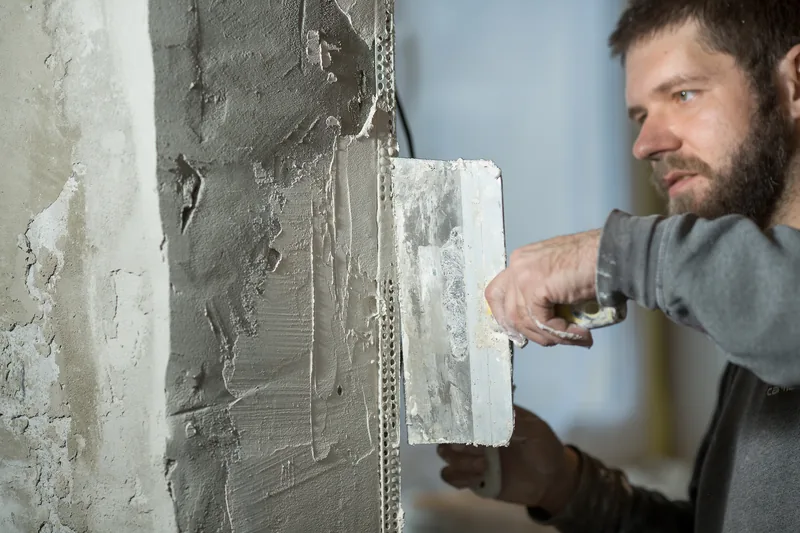
When cold weather brings exterior stucco work to a stop, we continue with interior plaster and patching through the winter. Interior plaster differs from the cement-based material on your outside walls. We apply thin-coat veneer plaster, a smooth interior finish, over blueboard panels made to hold it. We also patch walls opened for plumbing or wiring, blending the repaired area into the surrounding plaster.
Stucco Installation
Fresh cement stucco needs time to cure before freezing weather can interrupt the hardening process, so the calendar matters as much as your wall’s condition. Near the beginning or end of the exterior season, we tent the work in a heated enclosure to maintain suitable curing conditions. For a first installation, we start with a water-resistive barrier that directs water away from the wall, then attach metal lath to support the plaster coats.
Stucco Resurfacing & Recoating
Many Veyo walls have weathered decades of cold winters, so we first check whether your existing stucco remains solid beneath the finish. If it does, we can refresh the color with a fog coat, a thin cement-based coating. If the surface has worn through or become uneven, we apply a new finish coat or re-skin the wall by building a fresh stucco surface over the old one.
New Construction Stucco
Veyo’s season for new exterior plaster ends earlier than it does on the lower bench, so we schedule your new build around suitable curing weather, not just completion of the framing. Your plans may specify a one-coat base system or a traditional three-coat assembly. With either system, we wait until the roofing, windows, and flashing that directs water away from openings are installed before starting the stucco.
Decorative Stucco & Architectural Details
Projecting bands and window surrounds can trap snow, ice, and melting water if their upper surfaces are flat. We shape these details with enough slope to drain away from your wall rather than hold water. Each feature starts with shaped foam, followed by a reinforced base coat and mesh, then the finish. We also keep it clear of joints where the wall needs room to move.
Stone Veneer
Stone usually covers your home’s entry face rather than wrapping the entire building. At the bottom of the wall, adhered masonry veneer, which is stone bonded to a prepared surface, must shed water and let moisture drain just like the neighboring stucco. Otherwise, trapped water can freeze behind it. We install both finishes over the same water-resistive barrier and drainage plane, the path that carries moisture down and out of the wall.
What Changes for a Stucco Contractor North of the Veyo Grade
North of St. George, the climb leads into colder, higher country, where a Veyo wall faces winters the valley floor does not. The colder conditions change the wall assembly, meaning the layers behind the visible finish, before they affect its color or texture. As your exterior stucco contractor, we plan around what happens when moisture freezes inside those layers and how to keep liquid water from entering.
Water That Freezes in a Wall Instead of Drying Out of It
On the St. George bench, water entering through a crack, an unsealed pipe opening, or a worn finish can often evaporate in the desert heat. Veyo winters are cold enough for that same moisture to freeze before the wall dries. Because water expands when it freezes, it pushes against the stucco from behind.
You may not notice much after one winter, but the damage becomes clearer over several. The finish can lift, and pieces can chip or flake from the face. Those openings admit more water the following year, so the damage keeps spreading. A wall built for the warmer valley floor does not face the same exposure, which is why we change the water-control details for Veyo.
Keeping Liquid Water Out of the Assembly
We reduce the risk by closing entry points and giving any water behind the finish a clear way out. A weep screed, the metal drainage edge at the bottom of a stucco wall, lets moisture escape instead of collecting at the base. We set it off the soil, not less than four inches above the earth, or two above a paved surface.
Before cold weather arrives, we seal cracks and joints that could admit rain or melting snow. Flashing directs water away from openings, while a kickout, the small piece where a roof edge meets a wall, keeps roof runoff from slipping behind the stucco. Any moisture that still enters can then drain and dry instead of remaining in the wall and freezing. Your written estimate identifies each location where we will do this work.
About Veyo, Utah
Veyo is an unincorporated community in western Washington County, meaning it has no incorporated town government of its own. It lies on State Route 18 north of St. George, about halfway to Enterprise. The community sits in and above the Santa Clara River canyon, along the edge of the Dixie National Forest. At an elevation of 4,472 feet, Veyo stands well above St. George in noticeably cooler country. The 2020 census recorded 586 residents. In 1918, Veyo became a community separate from Gunlock.
Veyo has remained a small valley of farms and livestock. No new subdivision has been recorded since 1979, largely because the community lacks enough culinary water for household use. Travelers know Veyo Pies along the highway and the spring-fed Veyo Pool down in the canyon. The Veyo Volcano, an old cinder cone formed from volcanic fragments, rises beside the road. If your home is tucked along these lanes, we are working on this same valley floor and canyon terrain.
Where We Work Around Veyo
Veyo has three recorded subdivisions, along with acreage lots spread across the colder valley outside them. Your location gives us a rough idea of when the house was built and what work it may need, but it cannot tell us what condition the stucco is in. Before we quote your project, we visit the property and inspect the actual wall.
Old Spanish Trails: Repairs on Veyo's Earliest Recorded Lots
The valley's earliest platted lots, meaning parcels shown on a recorded subdivision map, were recorded here in 1973. These walls have faced more winters than those in any other Veyo subdivision. We commonly find weathered finishes and spalling rather than new impact marks. We examine the entire worn area before patching it so you do not pay to paint over damage that soon returns.
Lava Ridge: Resurfacing and Recoating Mid-1970s Homes
Lava Ridge was recorded one year later, in 1974, making it a mid-1970s subdivision with finishes that are now decades old. Homes built around the same time often need resurfacing and recoating around the same stage of their lives. Before quoting a recoat, we check whether the existing surface can still hold it. A fog coat, a colored cement coating that refreshes stucco, will not stay sound over a wall that is already failing.
Chadburn: First Stucco Coats on Veyo's Newest Plat
Chadburn is the newest of the three subdivisions, recorded in 1979, and an undeveloped lot there still gets its first house from time to time. That makes Chadburn the part of Veyo where we are most likely to apply the first stucco coat to a new home. We begin behind the plaster with a water-resistive barrier, which blocks water from reaching the framing, and lath, the mesh that supports the stucco, before applying your finish.
Acreage Properties: Block Walls, Shops, and Outbuildings
Many Veyo homes sit on acreage outside the three recorded subdivisions, across land that the valley still uses for farming and grazing. On these working properties, you may need stucco on a perimeter wall, shop, or detached outbuilding as well as the house. As residential stucco contractors, we commonly finish block walls and outbuildings here, and we inspect each wall on the property before preparing a quote.
What Veyo Owners Expect After Moving Up
Many Veyo homeowners first built or bought in the St. George valley, then moved up the grade for cooler summers and more room. They often bring the same expectations they had on the lower desert bench. Veyo walls face colder weather, so the finish and maintenance schedule may need to change. As a residential stucco contractor, we explain those differences before your first winter, while there is still time to plan for them.
The Owner Who Came Up From the Bench
If you moved up from the valley, you may expect your Veyo walls to behave like the ones you had there. The finish that suited a desert exterior may wear differently at this elevation, and the season when we can do the work changes too. Your old wall was not necessarily built wrong. It simply faced different conditions before you climbed the grade. We would rather explain that during the estimate than have cold winter weather reveal the difference after it has already damaged the wall.
A Recoat Cycle That Runs Shorter Than It Did in Town
A recoat, which adds a fresh finish coating over sound stucco, generally does not last as long in colder country as it does on the desert bench. Veyo weather wears the surface sooner, so the schedule you followed in town could leave your wall exposed for a season or two too long. We plan the next coat around the elevation. Applying it before water gets behind the finish costs far less than repairing the damage afterward, so we explain the expected schedule and include it on your estimate.
Because Veyo has no city hall or town government, you do not need a city permit or approval from a local office. Washington County handles building approvals throughout the valley. As your local stucco contractor, we manage that paperwork for jobs here, but you should still know which office approves the work and what the county permit covers.
One County Office for the Permit and the Inspection
For property in unincorporated Veyo, the Washington County building department issues permits and inspects the work. You deal with that one department, based in the county seat of St. George, rather than a separate city office. Utah handles contractor licensing through the Division of Professional Licensing, and cities cannot add contractor licenses of their own. Veyo has no city government in any case. For current requirements on your project, check with the county department at washco.utah.gov. We prepare the documents your permit application requires before we schedule the crew.
Private Ground, and No Townwide Design Review
Unlike many unincorporated communities in the county, Veyo has privately owned land across the valley floor. The Dixie National Forest reaches the rim rather than extending beneath the building lots. That means most projects here go through the county as work on private property, without the public-land siting questions that can affect some outlying parcels. Because Veyo has no town government, it also has no valley-wide board reviewing your stucco color. For most owners, the county permit is the only government approval.
If you change only the color or finish on an existing wall, the county will usually treat the work as maintenance rather than a permitted project. However, the county decides whether any particular job requires a permit, not us. If your plat includes covenants, which are private rules attached to the property, you may need to settle the color choice through that review. We provide whatever materials the review requests.
Stucco Questions From Veyo Homeowners
My St. George house never cracked like this. Why would a wall in Veyo?
Veyo sits higher and has colder winters than the lower desert bench around St. George, so your walls face stresses they never did in town. Cracks often show first around windows and where trim meets the stucco. The same house might have remained sound on the bench. In this case, the difference comes from the elevation and weather, not the builder who put up the wall.
Little chips keep popping off the finish. Is that the weather up here?
Often, yes, that is spalling, and colder weather can make it worse. We need to learn whether only the surface has broken down or water is getting behind the finish. Instead of judging by sight, we check the damaged spot with a probe, a small pointed tool that helps us test the material beneath the surface.
Is Veyo on your regular route, or is it a special trip up the highway?
Veyo is part of our regular coverage along State Route 18, so we do not treat your appointment as a special trip. If you want us to inspect other walls or buildings on the property as well as the house, mention them when you contact us. That lets us plan enough time for the entire visit.
There is no city hall in Veyo. Who issues a building permit for stucco work?
Washington County issues the permit. Because Veyo has no municipal office, the county building department handles local approvals from the county seat. That same department serves the entire unincorporated west side, so your project goes through the county whether the property is in Veyo, Central, or Gunlock.
Is there a point in the fall when it is too late to stucco up here?
Yes, if you need a full new coat. Once nighttime temperatures approach freezing, fresh stucco cannot cure properly, so we wait for warmer weather before applying it. Repairs and recoats can often continue later into the season because they involve less new material. The cutoff for your project therefore depends on whether you need a small repair, a recoat, or an entirely new stucco coat.
Do we need approval for a new stucco color?
Usually, you do not need public approval. Veyo has no town government and therefore no townwide design review for exterior colors. However, your particular plat may have private covenants that limit the colors you can use. Your deed or title report will show whether any such rules apply to your lot.
Get a Free Stucco Estimate in Veyo
Send us the property address and a quick photo of the walls that need work. Before we quote the job, we will come up and inspect how your stucco is handling Veyo’s winters. We base the quote on what the wall actually needs at this elevation, without adding work it does not need. You receive the estimate in writing, and the visit is free. Call St. George Elite Stucco at (435) 236-2699 or use the quote form to request your free estimate.