Stucco Contractor in Diamond Valley, UT: Repair, Coatings & Installation | St. George Elite Stucco
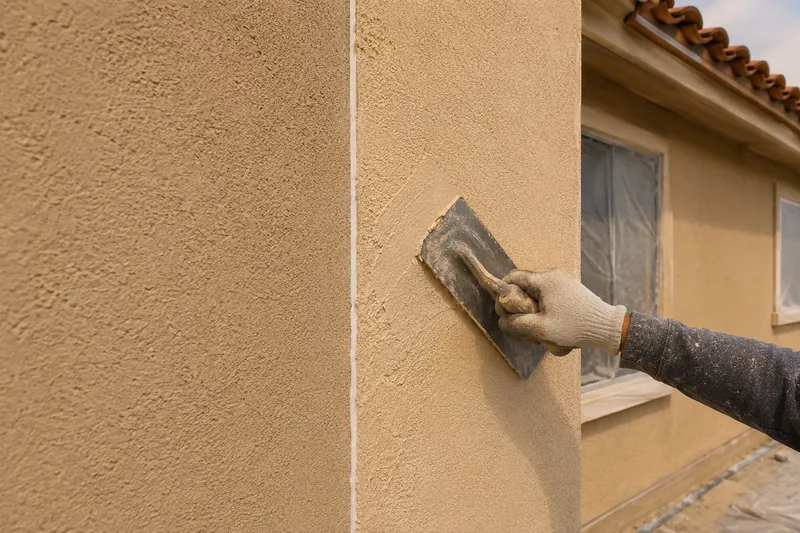
St. George Elite Stucco has handled residential stucco work on homes in Diamond Valley, Utah, for 15 years. If your wall has cracks, chips, or a damaged area, we repair it. When the failure goes beyond a local repair and its cause must also be corrected, we provide stucco remediation. If the existing finish has failed too widely to keep, we remove and replace the stucco.
If your stucco remains sound but looks faded, stained, or worn, we can resurface and recoat it, adding fresh color and a new surface without changing the wall thickness. We also paint stucco and apply protective coatings. Decorative stucco and architectural details can add shape and visual interest to a plain exterior. For new projects, we install stucco on new construction, stucco block and property walls, add stone veneer, and complete interior plaster.
Diamond Valley is a subdivision rather than an old settlement, which helps explain why nearly every stucco project here involves a home. The area remained ranch ground into the 1960s, and its first subdivision plat, the county-filed map that divides land into building lots, was recorded on January 29, 1975. When Washington County wrote its community plan in 2010 and 2011, it counted 378 platted lots and 313 finished homes. County records classify the buildings as homes, with licensed home businesses as the only other use on the ground.
We travel from our St. George base, about three miles up State Route 18, and provide the same stucco services throughout Washington County that we offer in the city. Diamond Valley sits at 4,547 feet. We complete exterior work to IRC R703.7, the residential code section that governs exterior plaster. Your quote reflects what we see because staining along the base course, the lowest strip of stucco, does not call for the same work as a wall that has failed.
Call (435) 236-2699 or send your address through our quote form. We will visit the property for free and inspect the wall.
Why Diamond Valley Owners Choose St. George Elite Stucco
We work in the unincorporated valleys north of the St. George bench every week, rather than making an occasional trip when the weather cooperates. St. George Elite Stucco is a local stucco contractor. Our regular crew travels up State Route 18 with the same written estimates, insurance documents, and project records you would receive for work in town.
We are licensed and insured. Before we work on your wall, you can verify our license and insurance coverage.
We carry general liability and workers' compensation. Certificates are available before work starts, and our license number goes on every written estimate.
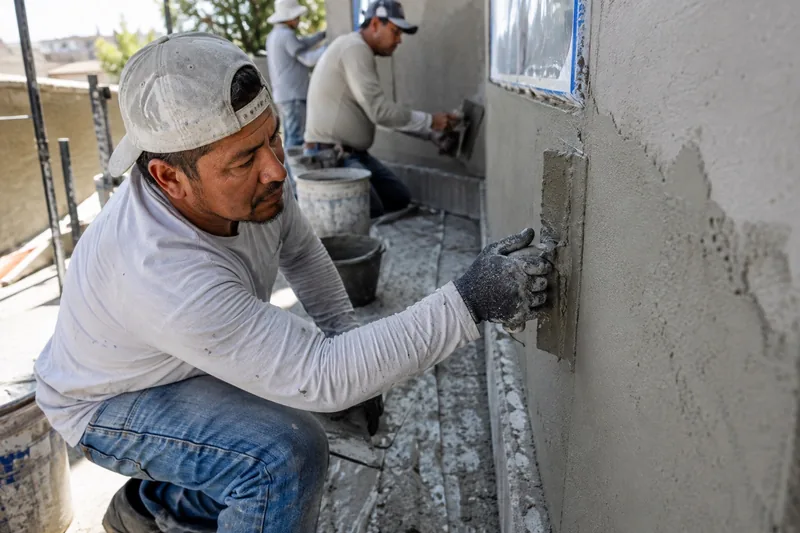
We have 15 years of experience with residential and commercial one-coat, three-coat, and acrylic-finished stucco walls. One-coat has a single thicker base beneath the finish, three-coat is the traditional scratch, brown, and finish build, and acrylic is a flexible finish over either system.
We inspect your wall on site before pricing the work, then provide a free written estimate.
You deal with the same stucco company from the first inspection through the final visit.
Winchester Hills is just south of Diamond Valley. We are also the same stucco contractor in Dammeron Valley, which is the next community up the highway, if your property is farther north. Call (435) 236-2699 or send the details through our quote form, and we can come up to inspect the wall.
Stucco Contractor Services for Diamond Valley, Utah
Because this is a small residential community, nearly every call our stucco experts receive concerns stucco services for a house or its property walls. Because runoff and staining often appear first at the wall’s lower edge, that is usually where we begin the inspection.
Stucco Repair
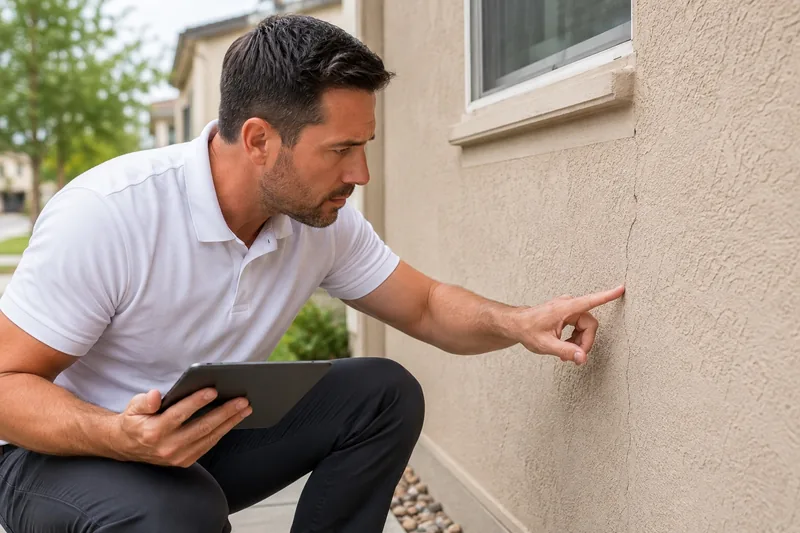
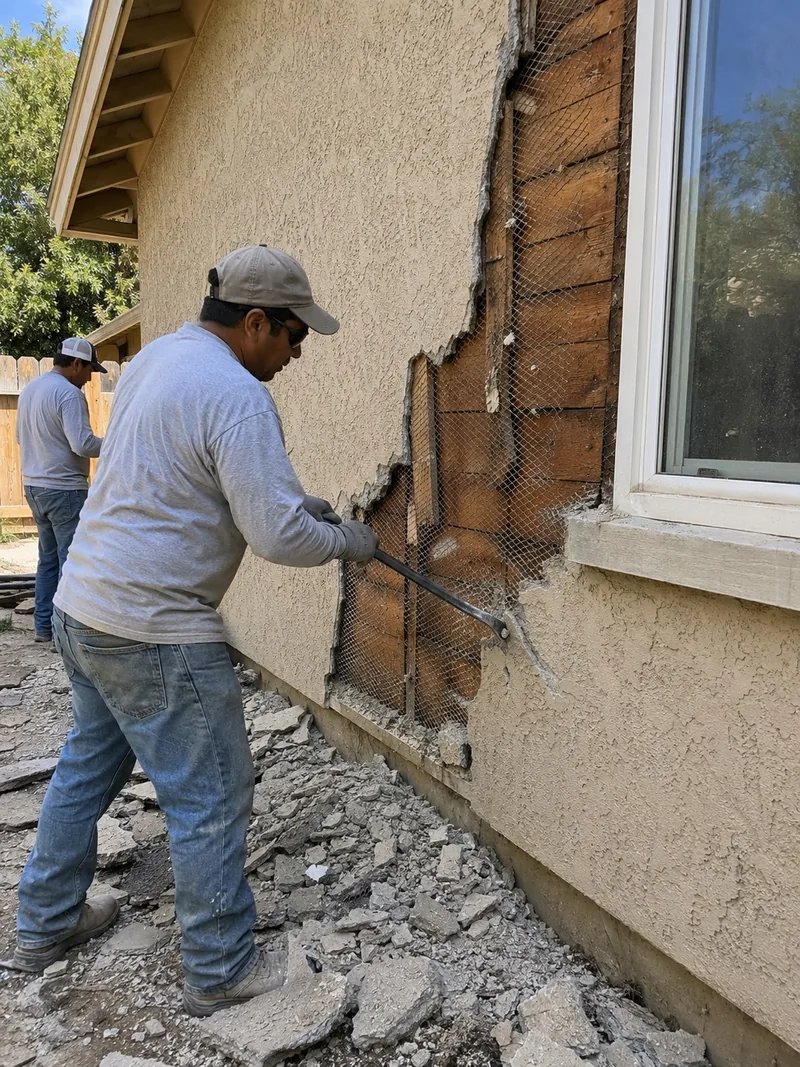
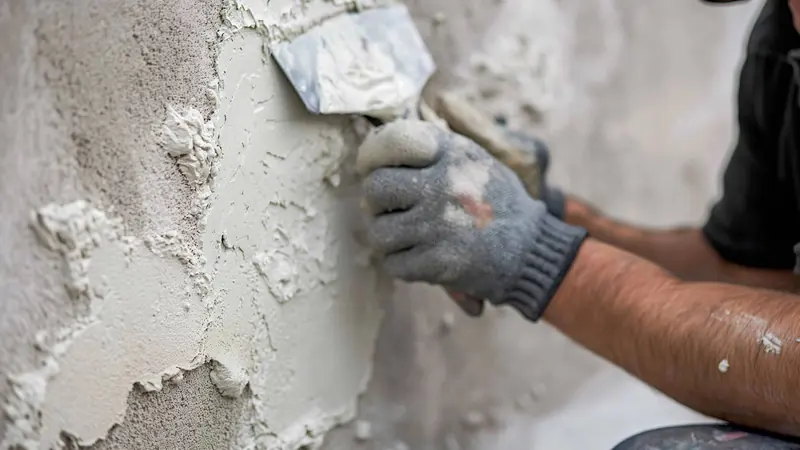
We begin most repairs near the bottom of your wall. Water splashing off a gravel apron or standing after a storm can stain and damage the base course before problems appear elsewhere. By the time you see the stain, the cause has often been present for a season. We open only enough of the damaged area to find where the water entered and see what needs repair.
Stucco Painting & Coatings
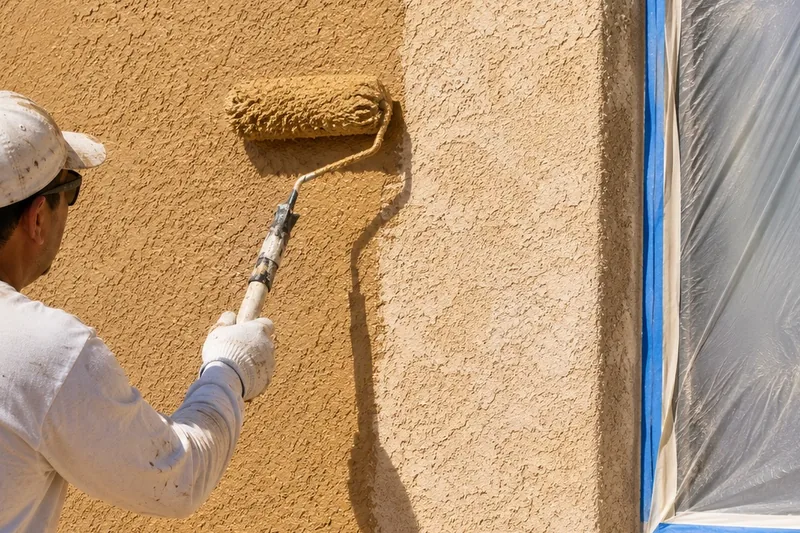
Diamond Valley roads have a mix of surfaces, and the surrounding land is open grazing ground. The wind and passing vehicles carry grit that settles into rough stucco, where new color would trap it against the wall. We wash your stucco and allow it to dry before applying paint or a coating. A fog coat, a thin cement-based color finish, restores color without adding a film over the plaster.
Stucco for Block Walls
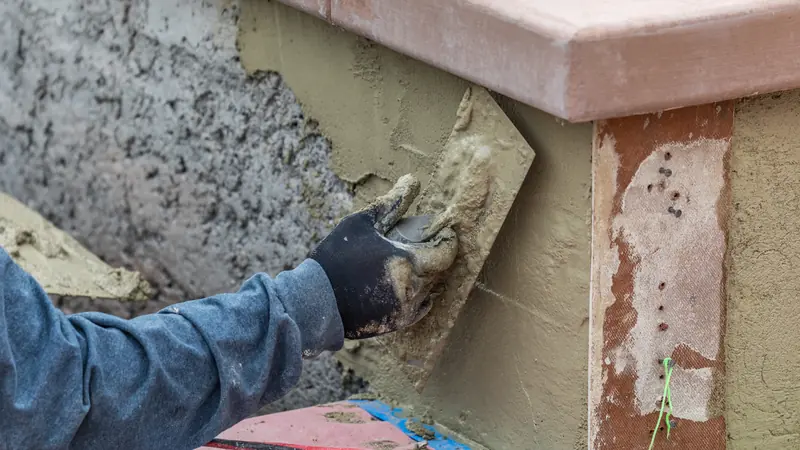
Many Diamond Valley property walls separate private lots from forest, BLM, or state park land. Because neighbors and people beyond the property may see the outside face as clearly as you see the inside, we finish both sides. We also keep the base of the concrete masonry unit wall, commonly called a block wall, properly separated from the finished ground, just as we would with stucco on a house.
Commercial Stucco
Diamond Valley has no commercial strip or storefronts, so we do not expect commercial stucco projects within the community. If you operate a licensed home occupation from a front room, we inspect and quote the stucco as part of your house. We perform our commercial stucco work on the St. George side of the bench.
Stucco Replacement & Removal
The oldest walls in the valley are about fifty years old. Before replacing your stucco, we open the wall to see what is actually behind it rather than guess. We expect to find older lath, the mesh that supports the plaster, and a water-resistive barrier installed before current building practices. If the age of an existing coating calls for testing before tear-off, we test it first.
Stucco Remediation
Parts of the valley have collected runoff for decades. If the bottom of your wall has remained wet, we identify where the water comes from before closing anything up. We use a moisture meter to determine how far the dampness and damage extend. Then we repair the drainage plane, the layer that directs water out of the wall, before applying new plaster.
Plastering Services
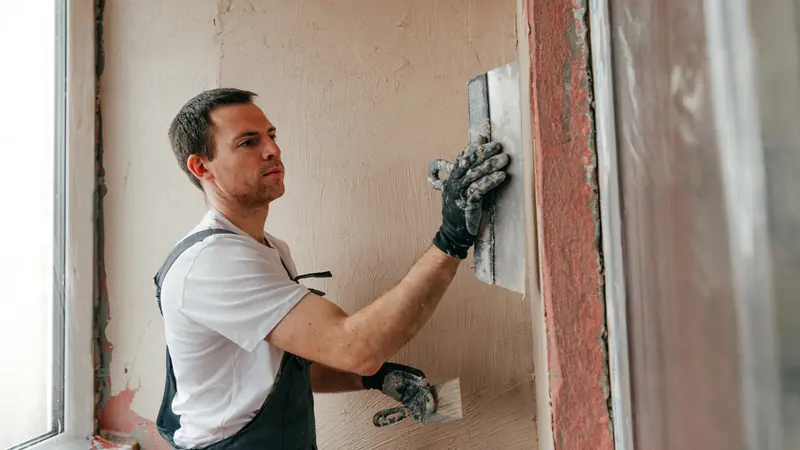
Interior plastering keeps the crew working during months when weather prevents us from coating your exterior walls. At this elevation, we schedule work indoors while outside walls have to wait. The same crew repairs your walls and ceilings, then applies a skim coat, a thin finishing layer that blends the patched surfaces back into the room.
Stucco Installation
Diamond Valley still has more platted lots than finished houses, so your new stucco installation is a one-off project rather than one of forty homes in a development phase. An uncoated wall also gives us a clean substrate, the solid surface that receives the stucco. With no existing finish in place, we do not have to chase an old color match, which makes that part of the work easier here.
Stucco Resurfacing & Recoating
We recoat while the wall can still take it, and the timing is most of the decision. We apply the new finish while your existing stucco is still sound, before it begins shedding or turns chalky and leaves powder on your hand. A stable wall accepts the coating evenly, while a deteriorating surface can prevent it from bonding properly. Tell us when the wall was last coated so we can assess its condition.
New Construction Stucco
For a new build, we coordinate our work with your builder’s calendar. County roads are maintained to the standard under which they were built, so their surfaces affect material deliveries and how much road dust reaches the work area. We plan around that access and set the timing for each stucco layer during the bid, not near the end of construction.
Decorative Stucco & Architectural Details
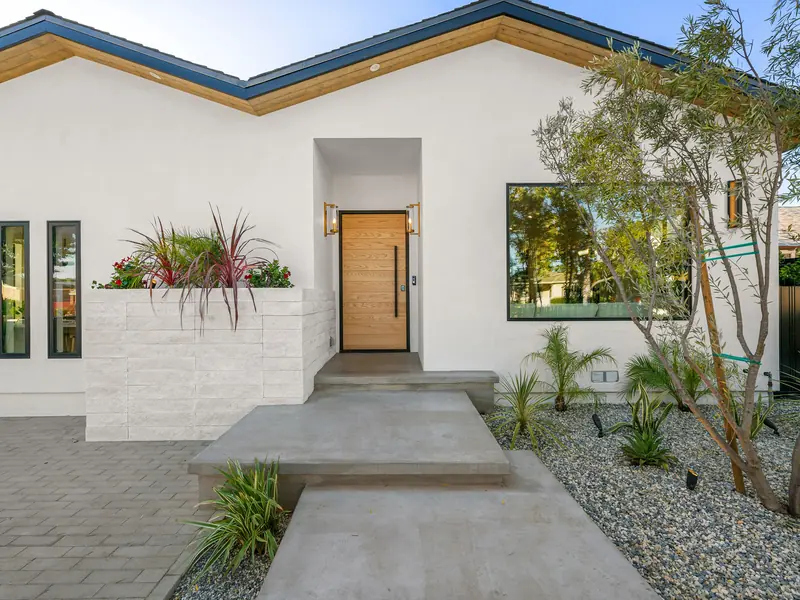
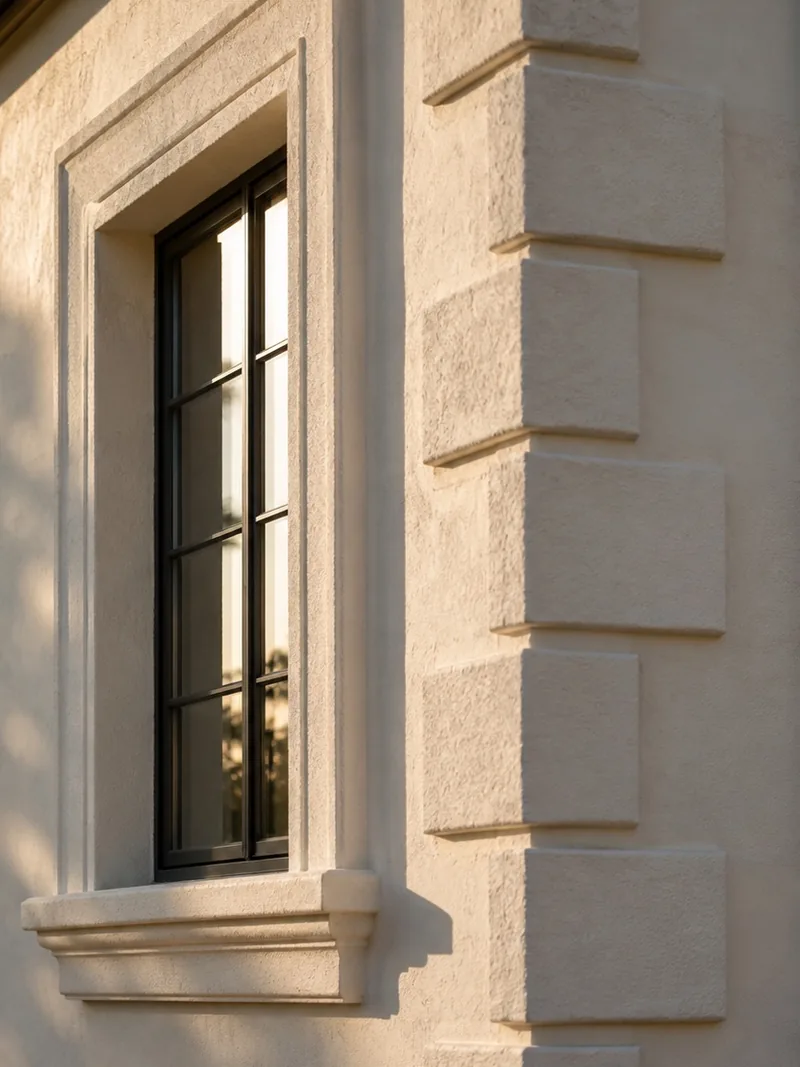
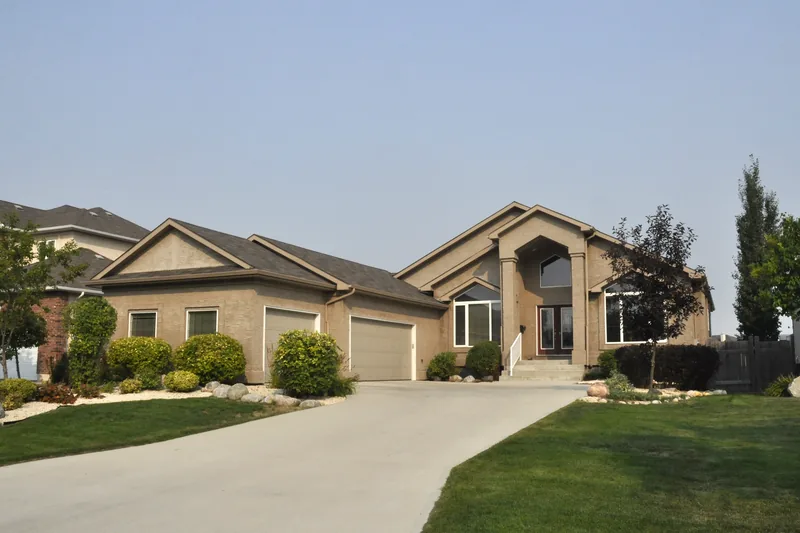
A long, single-story front on an acre lot can look plain when you approach it from the road. Window surrounds, horizontal banding, and a defined entry add shape at that viewing distance. We size and form each profile to suit your house instead of copying a catalog design. We also lay out every detail before applying the finish coat so the placement works across the entire front.
Stone Veneer
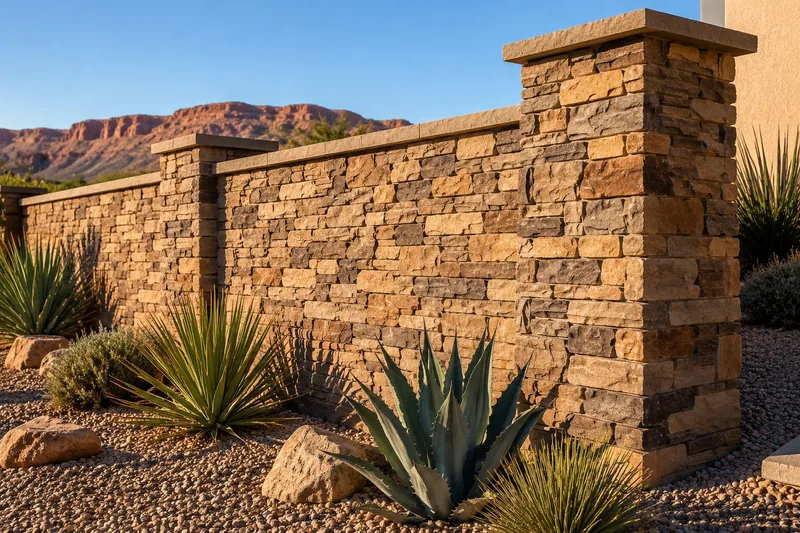
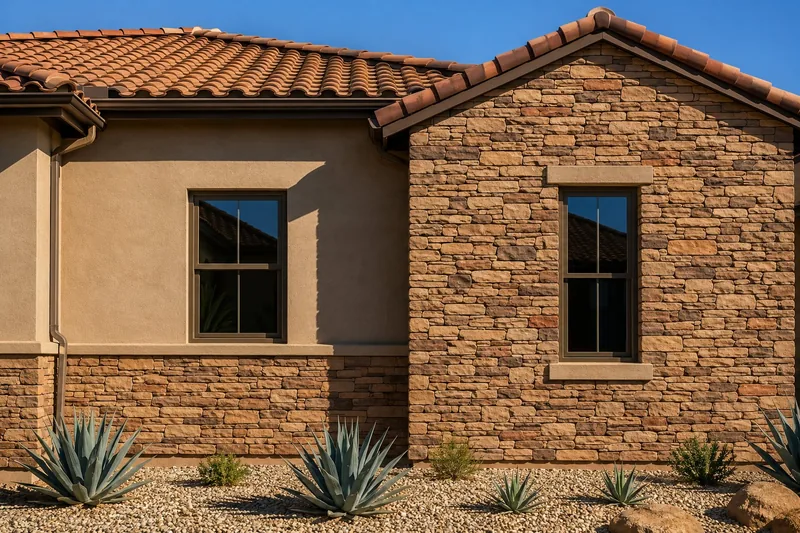
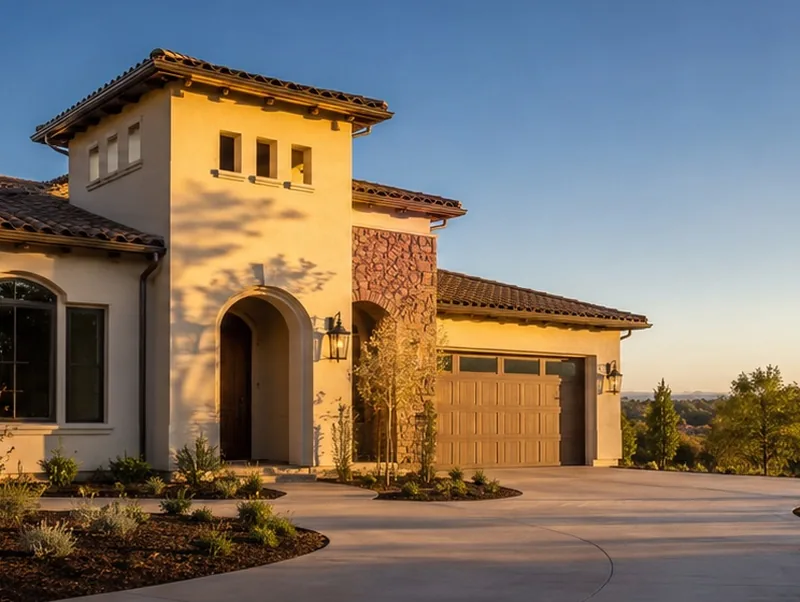
People have gathered decorative rock from this valley for years, so stone veneer often suits your house best when it resembles rock visible from the lot. The stone you can see from the lot is the stone the house actually sits among, so veneer matched to it looks like it belongs on that street. Where the veneer meets plaster, we shape and seal the transition so rain runs away instead of collecting against the wall.
What a Stucco Contractor Meets on Diamond Valley's Ground
Diamond Valley takes its name from a cinder cone, and you can walk across lava rock at the south end. Even so, the volcanic scenery does not tell us exactly what lies beneath your house. Before we work on a wall as your exterior stucco contractor, we need to know what supports the property and how runoff reaches the stucco at ground level. Washington County records answer both questions.
What Lies Beneath a Diamond Valley Wall
Washington County's soil record identifies the Napalene-Redbank-Schmutz-Palma association. These are deep, well-drained brown and reddish-brown silt loams formed in alluvium, soil and sediment carried down from both sedimentary and igneous rock. Water moves through this ground moderately rapidly to a depth of about 40 inches.
A groundwater study quoted by the county and completed in 1998 placed most of Diamond Valley over the Navajo Sandstone formation. This is the same rock formation that supplies water to much of southern Washington County.
The cinders and lava are concentrated around the valley's edges. A cinder pit beside State Route 18 lies partly within Snow Canyon State Park, and material from that pit has been hauled away for road surfacing and block. Well-drained soil generally helps keep water away from a plaster wall. We still need to examine what touches your stucco at finished grade, the final height of the soil or pavement.
Where Runoff Goes in a Valley That Once Had No Outlet
Diamond Valley was once a closed basin, so storm runoff had no natural way out. The county's plan says the valley floor could become a dry lake during a wet year. The south end was later breached to let water escape into the lava rock, and the county has maintained a flood-control plan for the valley for years.
For your stucco, that history matters most at the bottom of the wall because runoff reaches the lowest point first. A weep screed, the metal strip that lets water drain from behind the stucco, must remain no less than 4 inches above bare earth or 2 inches above a paved surface. Raised planting beds and landscape rock piled against the wall can bury that opening and prevent it from draining.
About Diamond Valley, Utah
By Washington County standards, Diamond Valley is a young community, and most walls a stucco contractor sees here were finished within one lifetime. The county community plan says the area has no pioneer heritage and does not appear in written county histories. Through the late 1950s, Arlen D. Moore brought most of the land together and built a ranch house at the north end. The community later grew across the old Moore Ranch, and the water supply he developed still serves local homes.
Diamond Valley Ranches, Inc. began subdividing the land in the early 1970s, with the first plat recorded in 1975. Development has continued gradually, resulting in 378 lots and 313 homes rather than a single large building phase.
The valley covers about 19 square miles and sits 4,547 feet above sea level. About 81 percent of the land is public, which leaves your home on one of the private parcels surrounded by broad stretches of open ground. An extinct volcanic cinder cone rises between the valley and Snow Canyon State Park, and the park extends along the community’s southern edge.
Diamond Valley Elementary School and a volunteer fire station serve local families. The Diamond Valley Water Company supplies the community’s water.
Where We Work Across Diamond Valley
Diamond Valley has four named areas where we regularly see different kinds of stucco work. The age of the houses, their position in the valley, and their exposure to sun, wind, and runoff all affect what your walls may need.
Diamond Valley Acres: New Houses on the Lots Still Waiting
Diamond Valley Acres remains an active recorded plat. Washington County reviewed an amended and extended version in 2025 so that one lot would remain buildable. Because these lots are measured in acres rather than feet of frontage, they leave room for houses with substantial exterior wall area. When you build here, you choose the stucco color and texture from the beginning instead of matching an existing finish.
Along Diamond Valley Drive: Resurfacing and Recoating the Valley's Oldest Walls
The community’s earliest plats face Diamond Valley Drive, so this area has some of its oldest finished walls. Most have already received at least one new coating. Our stucco applicators often resurface and recoat these walls because the plaster, the hardened material beneath the colored finish, is still sound even though the color has faded. If your house has been coated before, tell us which product was used so we know what we are working over.
The Low Hills East of the Main Development: Painting and Coatings on Exposed Elevations
Washington County’s plan records scattered development on the low hills east of the main neighborhood. Houses there sit above the valley floor without other buildings blocking the weather, so their exposed walls receive more direct wind and sun. Paint and other coatings can show their age there sooner than on sheltered elevations. That exposure usually brings us to the hill sooner for a fresh coating.
The South End of the Valley: Remediation Where the Runoff Leaves
The south end lies where runoff moves toward the outlet breach, so we see more remediation work there. Remediation means repairing the damage while addressing the drainage condition behind it. Approved culverts were still outstanding here at the county's last community review, which tells you the drainage is a work in progress rather than a solved problem. If your lot sits low, we would want to inspect this part of the valley first.
Every Diamond Valley Job Is Somebody's House
As a stucco company working in Diamond Valley, we are not dealing with a landlord, a board, or a property manager. That makes us residential stucco contractors in the plainest sense, because every address on our schedule is a home. That changes two parts of the job: who signs the estimate and how we carry out the work while you are living in the house.
Working for Owners Rather Than Property Managers
Washington County's own land-use record shows zero acres of commercial land in the valley, and everyone who answered the county's community survey owned the home they lived in. Because the person approving the work will also live with the result, our estimate needs to explain the problem and the proposed repair clearly.
On the St. George side, a manager or board usually wants a number and a schedule. At a homeowner’s kitchen table, the conversation is different. You want to know what is wrong with the wall, which elevations, or exterior sides of the house, genuinely need work this year, and what could happen if another side waits. We write the estimate to answer those questions.
Doing the Work While the Family Is Living There
Your family usually stays in the house during a recoat, so controlling dust matters more than it would around an empty building. Where the layout allows, we sand and cut on the downwind side. We mask the glass and screens, then hose down the wall we are working on at the end of the day so grit does not blow back overnight. We also keep your access clear enough for everyone in the household to come and go.
We leave the scaffold, the raised platform used to reach higher walls, in place until the finish has cured. Removing it too soon can mark plaster that has not hardened. For timing, we give you a realistic date range based on how busy the crews are, the size of the job, and the season. If that range moves, we tell you.
If you want us to look at your wall, call (435) 236-2699, and we will arrange a time that works for your household.
County Permits for Diamond Valley, and No City Office
If you need approval for property work, there is no Diamond Valley city hall or town office to contact. Instead, the services a city would normally handle are divided among county departments and local districts. If you are planning work on your property, you need to know which office handles it.
Who Approves Building Work When There Is No City
Because the community is unincorporated, Washington County serves as the building authority. Building permits and inspections go through the county's Community Development department in St. George. You can check its requirements at washco.utah.gov/departments/community-development.
The county road department maintains the roads, the sheriff's office provides law enforcement, and a volunteer special service district provides fire protection from its station in the valley. You may hire a licensed stucco contractor to perform the work, but the property owner remains responsible for holding the permit.
When the planned work grows beyond maintenance, the Community Development department can tell you what approval is required.
The Water Share That Comes Before the Permit
Your water comes from the Diamond Valley Water Company, a mutual company owned and operated by residents rather than a public utility. That ownership arrangement affects what must happen before the county issues a building permit.
In its 2025 land-use record, Washington County conditioned building permits on a lot first acquiring an additional water share from the Diamond Valley Water Company. The property also handles wastewater on site instead of connecting to a sewer system.
None of this reaches a recoat or a repair, which are maintenance, and it is worth saying so before anyone assumes a patch needs paperwork. On new construction, we verify which authority has jurisdiction, meaning legal responsibility for the project, and handle the required permit applications.
Stucco Questions From Diamond Valley Homeowners
Is the ground here really cinder and lava, and does that change the bottom of my wall?
Mostly no. Cinder and lava occur around the valley’s rim, not generally beneath the houses. If rock is present on your lot, it can affect excavation when a crew digs the footings. Rock on the lot does not change the finish that goes on the wall or how we apply it.
There is no city hall here. Who do I call about a permit for stucco work?
Call Washington County rather than a city office. You usually do not need a permit for a recoat or a small patch because the county treats that work as maintenance. If you are unsure about a larger project, you can call the county instead of driving there.
Everything here is residential. Does that change how you quote a job?
Yes, mainly in how we account for access. Our crew may need staging space for equipment and materials along a private drive rather than a public street. We price each elevation instead of using street frontage. A home behind a gate is therefore quoted by the walls involved, just like a home near the road.
Will dust from the roads and the open land get into a new finish?
It can settle on wet material and become trapped in the finished surface, so we plan the work around that risk. There are about 25 miles of road in the valley, and the county maintains them to the standard they were built to. We monitor the wind and clean your wall between coats so loose dust does not become part of the next coat.
Do you take commercial stucco work in Diamond Valley?
We do that work, but not here. The county’s plan leaves room only for convenience services aimed at residents rather than roadside development, so the valley is unlikely to gain commercial property. We handle commercial projects in St. George and Washington instead.
Do you actually come out to Diamond Valley, or only to St. George?
Yes, we come to Diamond Valley. The community sits on State Route 18 between St. George and Veyo, within our published service area. Tell us which wall is causing trouble, and we will come take a look.
Get a Free Stucco Estimate in Diamond Valley
We inspect your stucco before preparing the estimate. One of our stucco contractors walks around each side of the house with you, pointing out what needs work and what we can leave alone. You receive the estimate in writing, and the visit is free. Call St. George Elite Stucco at (435) 236-2699, or use our quote form to request your free estimate.